JCIE USA is excited to launch a new interview series featuring alumni of our US Congressional Staff Exchange Program. Since 1982, this program has taken bipartisan delegations of up-and-coming staffers on Capitol Hill to Japan each year, providing them with opportunities to deepen their understanding about Japan and US-Japan relations through a weeklong study tour in the country and post-trip activities.
The series aims to highlight the staffers’ work, their memories from the Japan study tour, and the lasting impact the program has had on both their personal and professional lives. Through these interviews, we hope to illustrate the value of legislative exchanges in strengthening and upholding the US-Japan alliance.
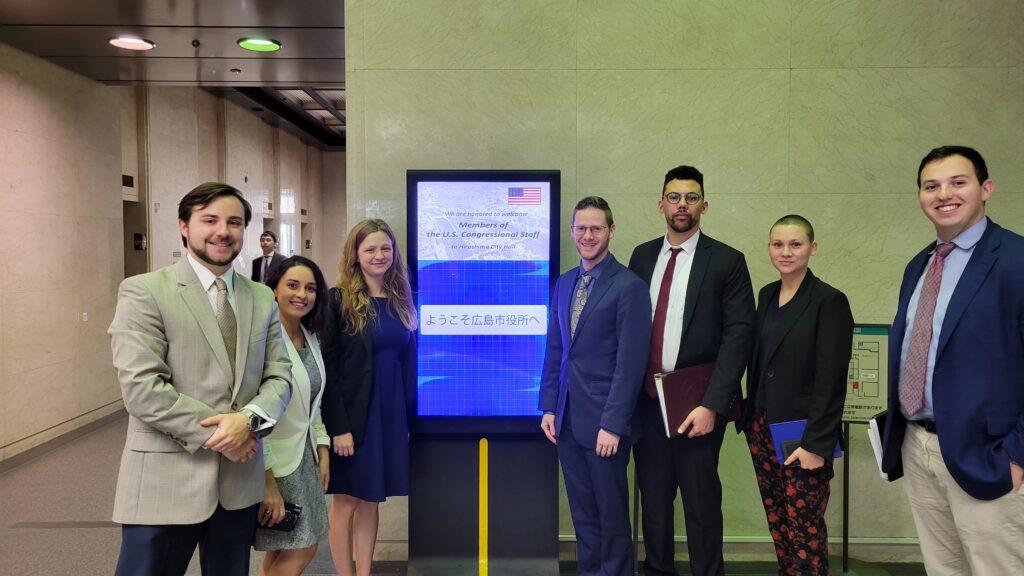
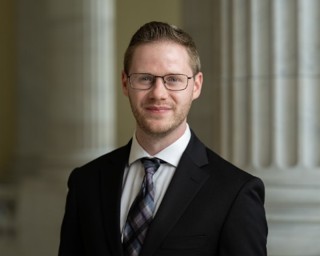
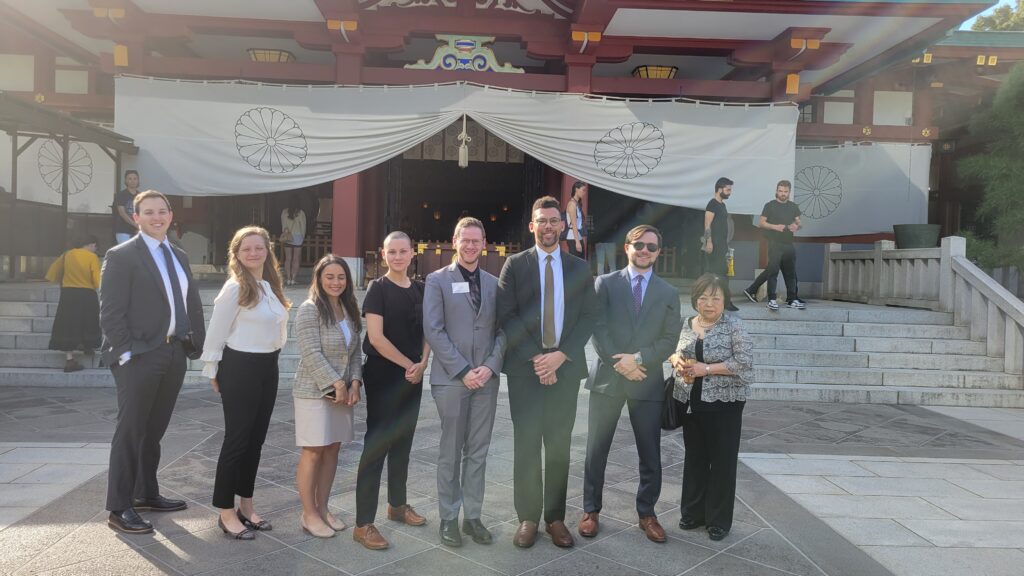
Our first interviewee is Steven Clark, an alumnus of our 2023 US Congressional Staff Exchange delegation, which visited Tokyo and Hiroshima in October following Japan’s hosting of the G7 Summit in Hiroshima earlier that year. Steven currently serves as Senior Legislative Assistant to Congressman Mike Kennedy (R-UT), advising on foreign affairs, science, space, technology, healthcare, trade, and judiciary issues. Previously, he was Legislative Assistant to Congressman Alex Mooney (R-WV). Steven holds a postgraduate degree in International Affairs from King’s College London and a B.A. in Government and Politics from the University of Maryland.
Alumni Voices: Steven Clark
What do you do now? What are your key responsibilities?
In my capacity as Senior Legislative Assistant to Congressman Mike Kennedy (R-UT), I advise the Congressman on foreign policy, science, space, and technology, healthcare, trade, and judiciary issues, and draft bills, amendments, and policy memos. In addition, I write the Congressman’s committee prep materials and questions for the Science, Space, and Technology Committee, as well as floor speeches, and assist with talking points for events. I also meet with constituents, government officials, and other legislative stakeholders.
Please describe any work that you currently do that is related to Japan or US-Japan relations.
As the Congressman’s foreign policy advisor, it is my job to stay up to date on all foreign developments across the world to brief and prepare him for any legislation or questions that might arise. Given the importance of the Indo-Pacific region, we regularly discuss relations with Japan and other allies in the region, particularly as it relates to the competition with China, military burden sharing, and trade.
What did you gain out of the trip, both professionally and personally?
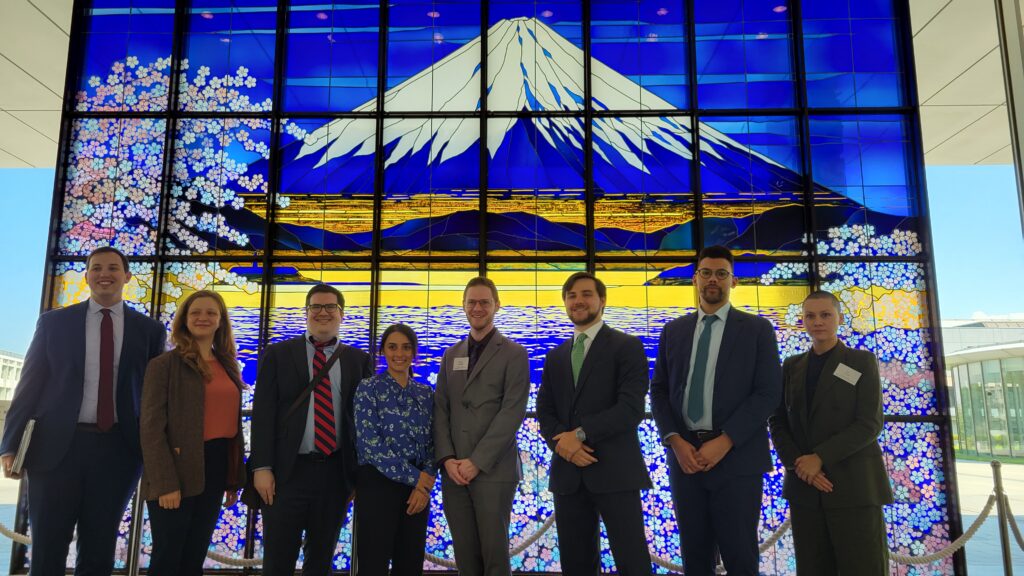
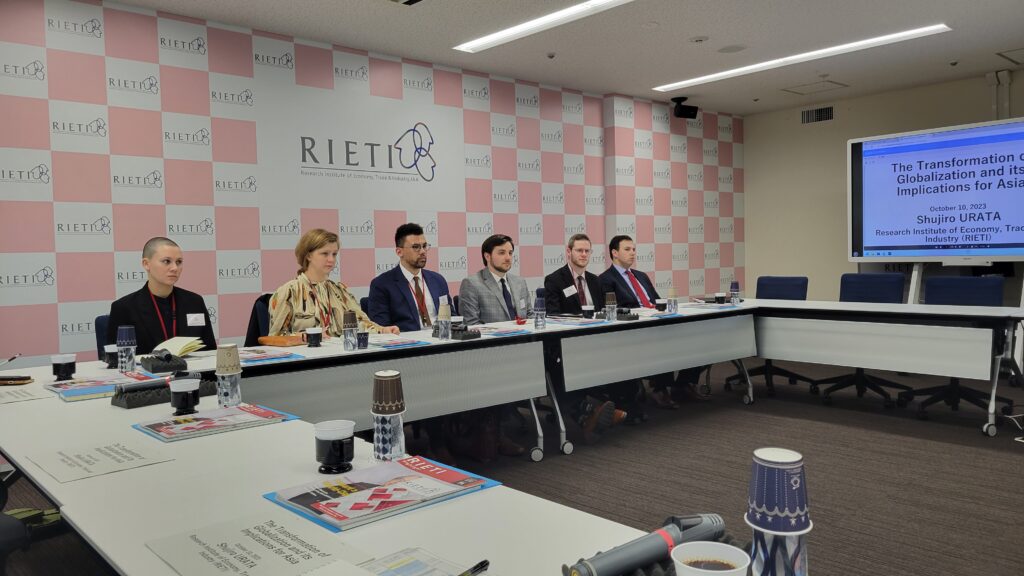
Professionally, my trip to Japan helped me understand the political fault lines in the region and how the US-Japan alliance is critical to maintaining peace and stability. Of particular value to me was our meeting with then-US Ambassador to Japan Rahm Emanuel, the breakfast roundtable discussion with Diet members, and our visit to Japan’s National Defense Academy. In particular, these meetings influenced my thinking on legislation that my boss has since introduced to allow co-production of naval ships to help meet our defense buildup targets, and helped me understand why Japan would be a good partner for this effort. I also came to understand how Japan’s attitude towards defense spending was starting to shift and learned about Japan’s approaches to challenges such as Chinese aggression in the Taiwan Strait and missile launches from North Korea.
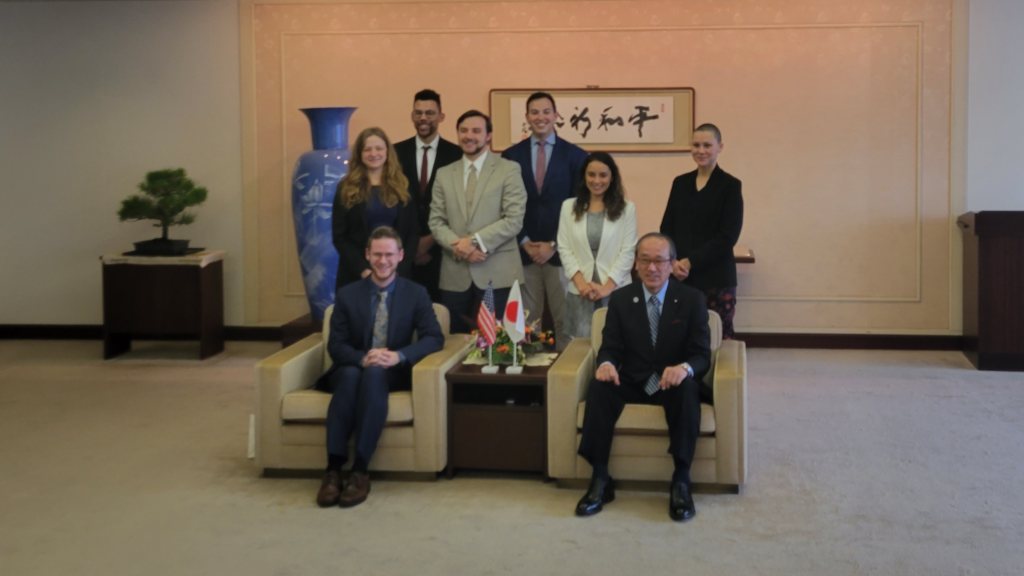
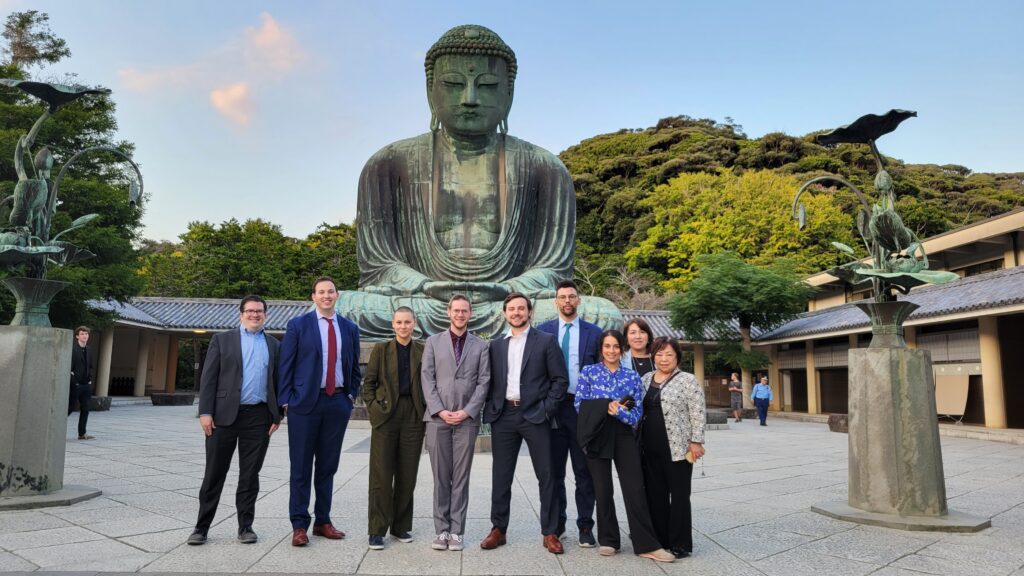
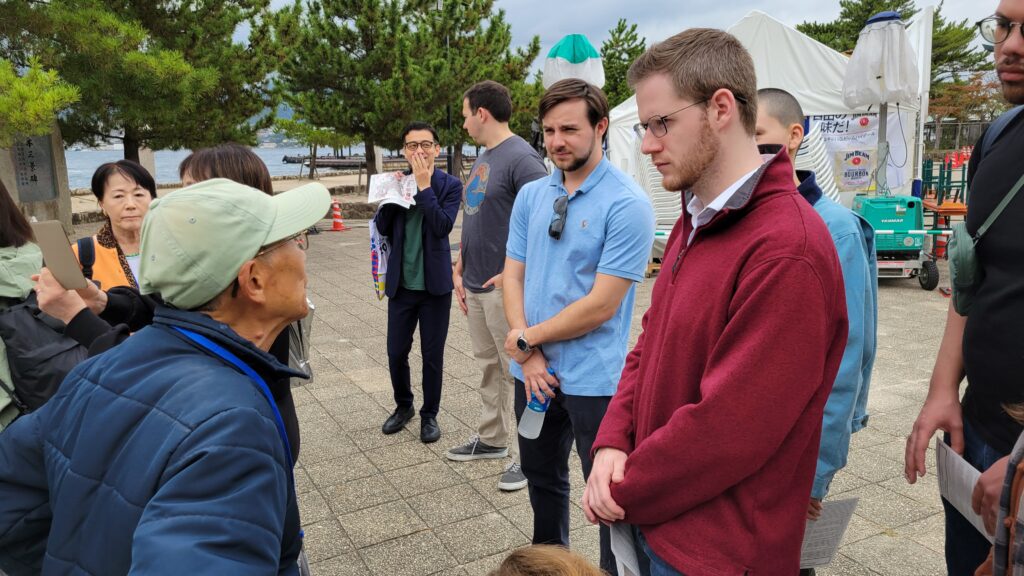
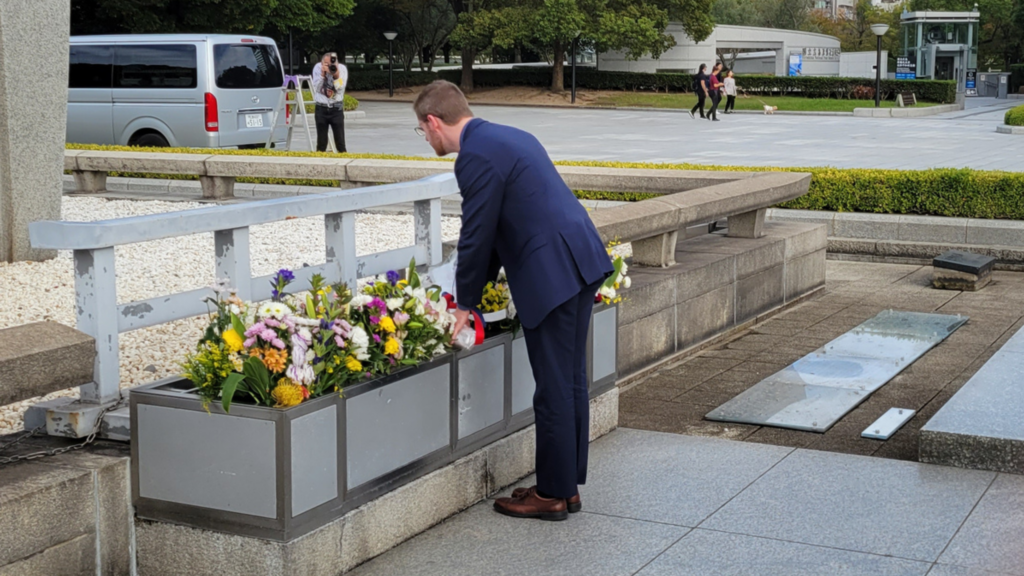
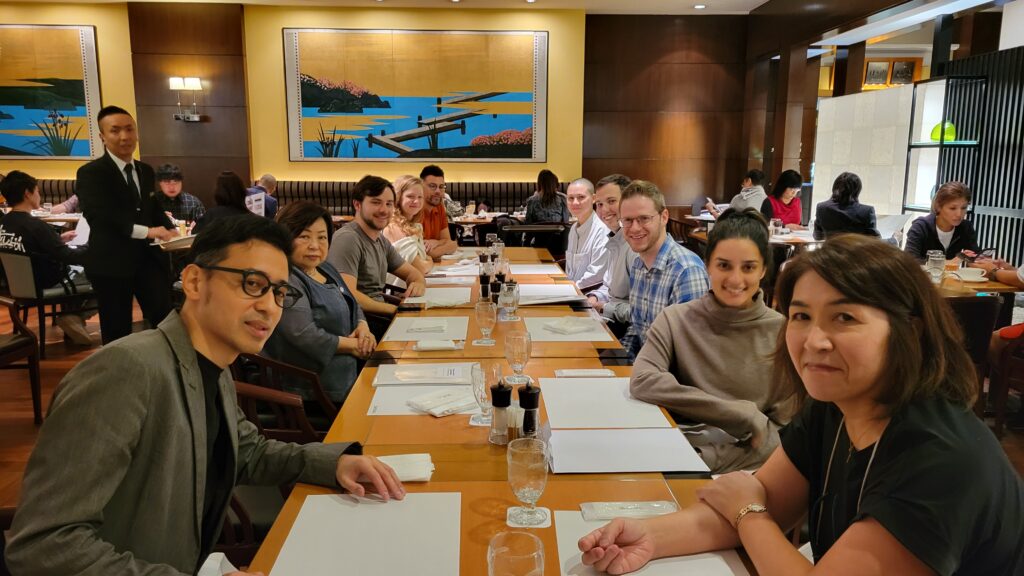
Personally, I have very fond memories of my trip to Japan. It was an honor to lead our delegation in meeting with the Mayor of Hiroshima and placing flowers on the atomic bombing memorial. The Japanese people were so kind and welcoming. The cultural experiences were unforgettable. I look forward to the day when I can bring my wife and kids to Japan to experience what I got to.


How do you hope to contribute to US-Japan relations or apply what you gained from the trip in your work going forward?
My long-term career goal is to join the US Foreign Service, and my trip to Japan helped crystalize my plan to specialize in the Indo-Pacific region. The knowledge and experiences gained from my trip have helped inform how I view the region and the importance of strengthening ties with Japan. I’m interested in learning the Japanese language now, and look forward to working in the region in the future.
What message do you have for staffers who are interested in joining JCIE’s exchange program and why should they consider it?
I’ve become an ambassador for the program since returning. I tell all my colleagues they should consider participating in the program. It is one thing to read about Japan and think you know the political climate and regional dynamics, but being there in person gives you a totally different perspective. The trip raised new policy questions for me, and I have certainly applied what I learned to my work. This program will make you a better foreign policy staffer and give you access to world-class cultural experiences. My only regret is that I didn’t get to do even more while I was there.
For more alumni voices, check out other posts in this series below:
Alumni Voices: Jon Carter
The US Congressional Staff Exchange alumni interviews were conducted by JCIE USA staff members Stephen McHugh (Chief Program Officer) and Kevin Bayes (Program and Administrative Assistant).