JCIE USA’s alumni interview series features alumni of our US Congressional Staff Exchange Program. Since 1982, this program has taken bipartisan delegations of up-and-coming staffers on Capitol Hill to Japan each year, providing them with opportunities to deepen their understanding about Japan and US-Japan relations through a weeklong study tour in the country and post-trip activities.
The series aims to highlight the staffers’ work, their memories from the Japan study tour, and the lasting impact the program has had on both their personal and professional lives. Through these interviews, we hope to illustrate the value of legislative exchanges in strengthening and upholding the US-Japan alliance.
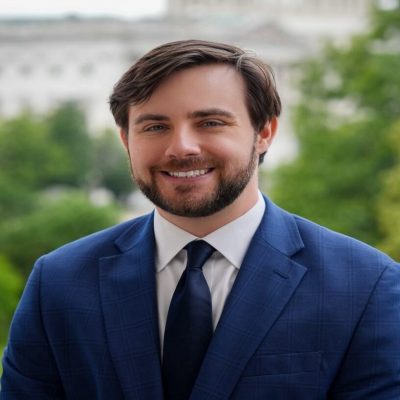
Chris Ringer is an alumnus of our 2023 US Congressional Staff Exchange delegation, which visited Tokyo and Hiroshima. Chris serves as the Legislative Director for Congresswoman Sheri Biggs (SC-03), where he supports her work on the House Foreign Affairs and House Homeland Security Committees, focusing on policy related to Defense, Intelligence, Maritime Security, Cybersecurity, Energy, and Trade. Previously, Chris served as National Security Advisor to former Rep. Jeff Duncan (SC-03) and Legislative Assistant to former Rep. Vicky Hartzler (MO-04). A native of Columbia, South Carolina, he holds an M.A. in Defense and Strategic Studies from the U.S. Naval War College and a B.A. in History and Political Science from Newberry College.
Alumni Voices: Chris Ringer
(Interview conducted July 2026)
What do you do now? What are your key responsibilities?
I serve as Legislative Director to Rep. Sheri Biggs of South Carolina’s Third District. In this role, I maintain primary responsibility for the Congresswoman’s full legislative portfolio, providing counsel and ensuring her policy priorities align with the needs of her constituents. As both the senior policy advisor and manager of the legislative team, I coordinate the drafting of legislation, track floor activities, and facilitate communication with stakeholders, executive agencies, and leadership offices.
Please describe any work that you currently do that is related to Japan or US-Japan relations.
The Congresswoman sits on the East Asia and Pacific Subcommittee of the House Committee on Foreign Affairs, which is where a lot of the foundational policy work around US-Japan relations happens. The subcommittee has direct oversight over the bilateral alliance, from basing agreements and force posture in the Indo-Pacific, to trade and economic cooperation frameworks, to broader regional security questions like the PRC’s growing assertiveness in the region. Part of my job is making sure she’s fully briefed and prepared for hearings, markups, and classified member briefings, which requires coordinating with State Department and Department of War officials and tracking what’s moving legislatively.
On top of that, we’re active members of the US-Japan Caucus, which is really where the relationship-building piece comes in. Through the Caucus, our office is in regular communication with the Japanese Embassy in DC.
What did you gain out of the trip, both professionally and personally?
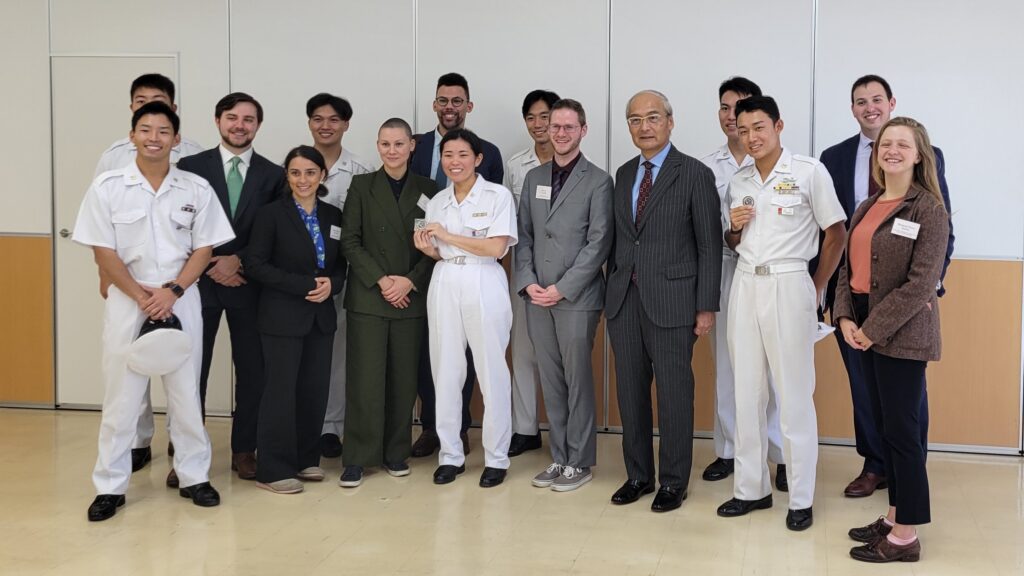
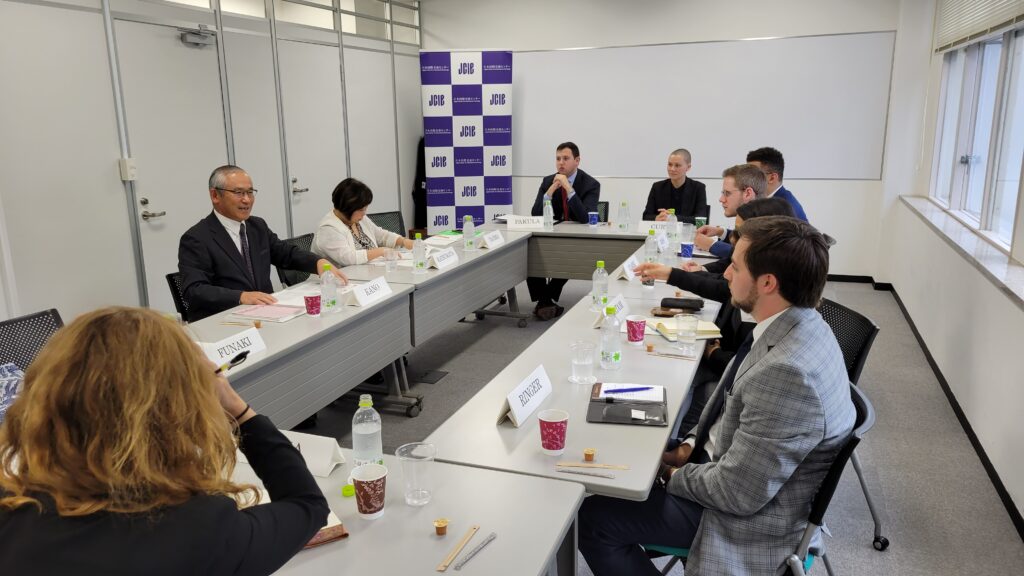
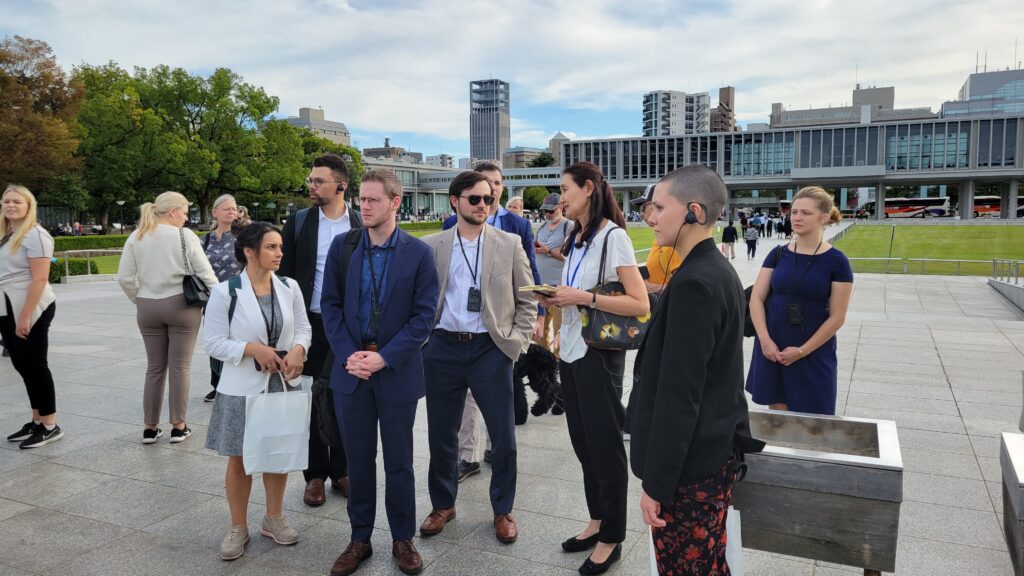
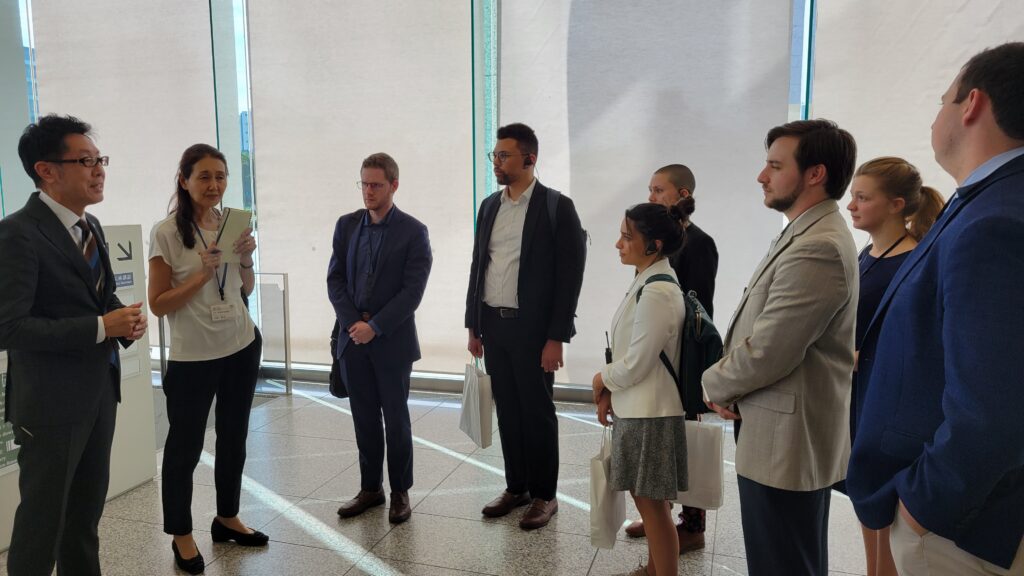
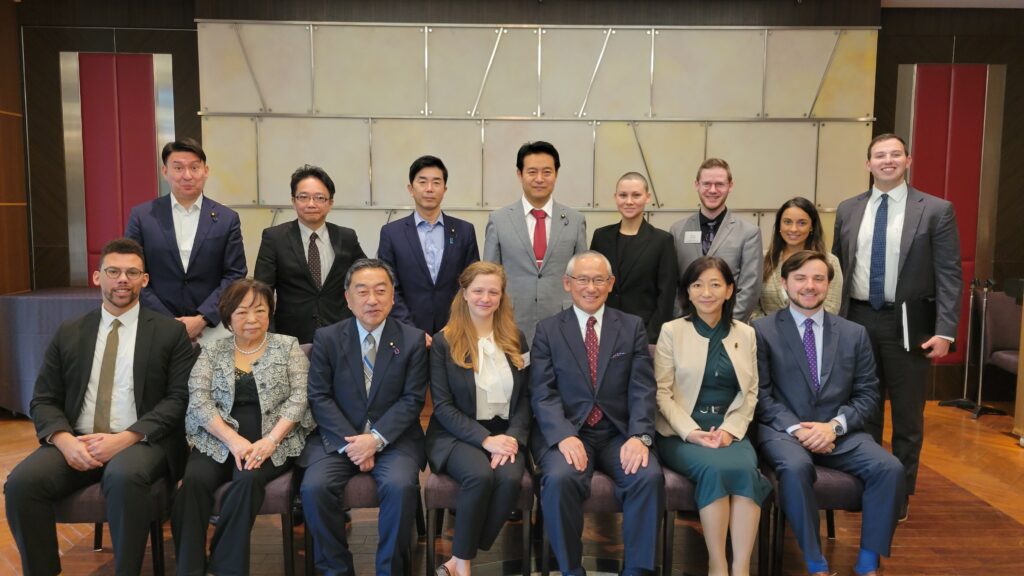
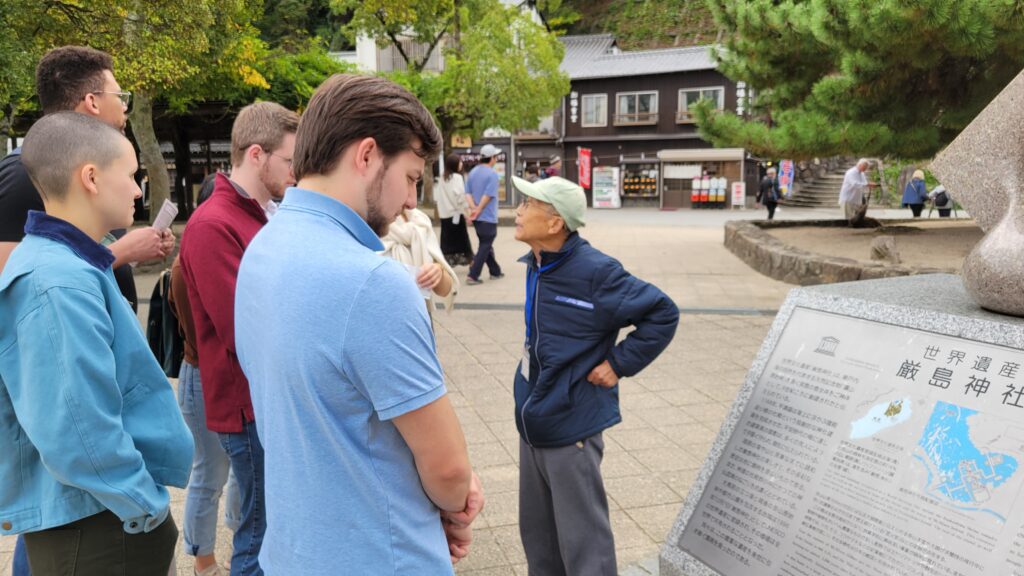
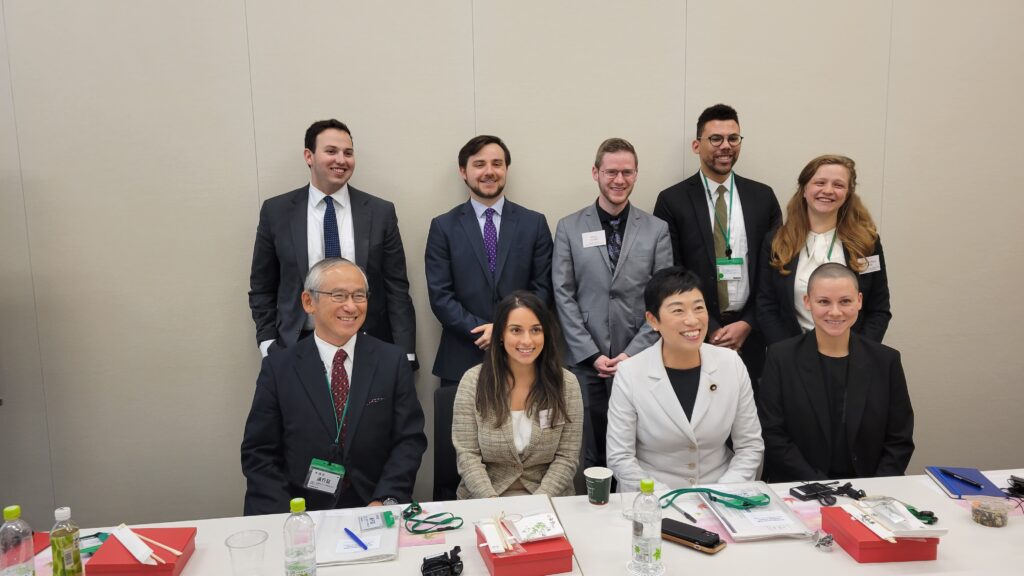
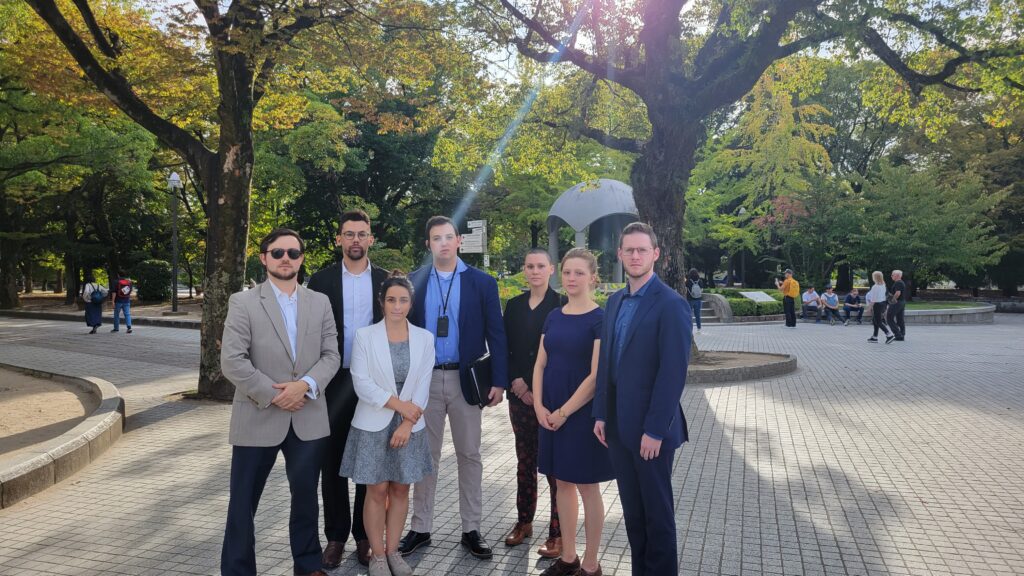
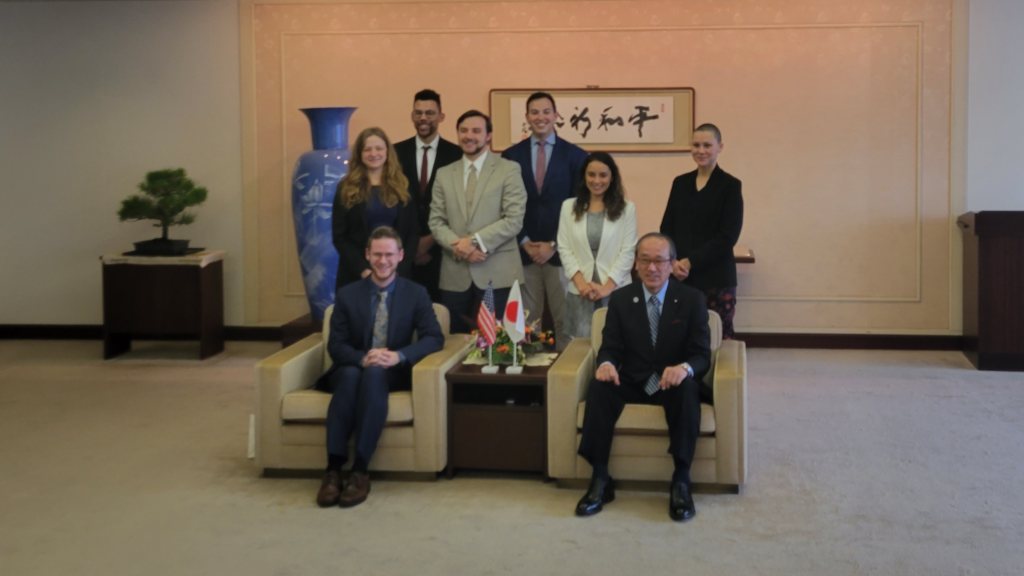
The opportunity to travel to Japan in October 2023 as part of JCIE’s US Congressional Staff Exchange Program was genuinely one of the most valuable professional experiences I’ve had during this job.
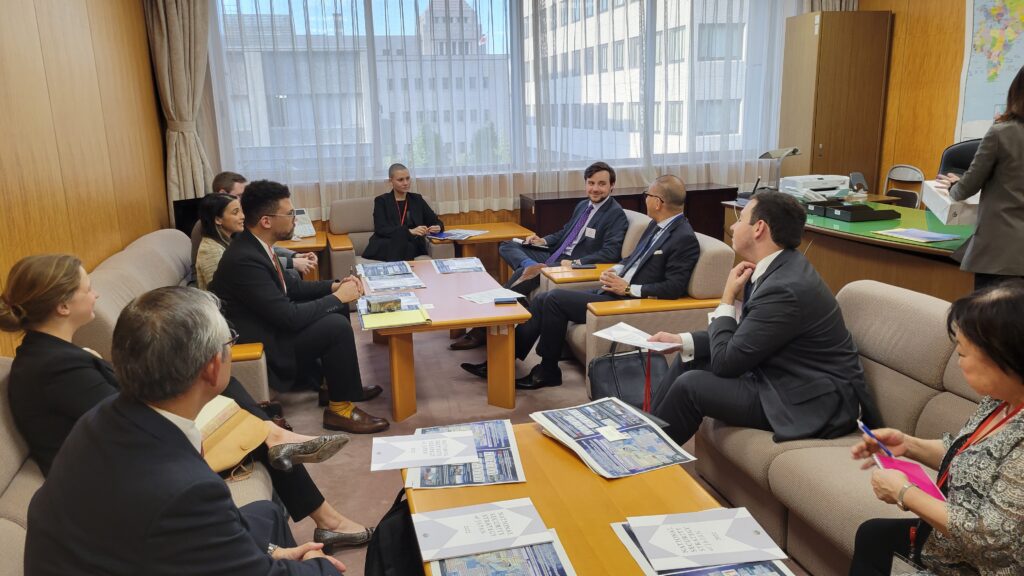
From day one, we were sitting down with JCIE leadership receiving a full contextual briefing on the state of the bilateral relationship, and then immediately diving into substantive sessions with members of the Japanese Diet on the domestic political and economic landscape.
One of the highlights for me was the day we spent in Yokosuka. We started the morning at the National Defense Academy, where we were given a presentation on Japan’s evolving security and defense strategy and the future of the alliance, and had frank conversations about the challenges ahead. In the afternoon we received a firsthand briefing at US Navy Fleet Activities Yokosuka, which is the largest US naval installation outside of the United States and the headquarters of the US Navy’s Seventh Fleet.
What struck me most was how much that kind of face-to-face engagement accelerates your understanding in ways that reading policy memos can’t replicate. You come back to DC with a completely different level of nuance as well as a much stronger network that makes the day-to-day work in the office much more informed.
How do you hope to contribute to US-Japan relations or apply what you gained from the trip in your work going forward?
The conversations about Japan’s evolving defense posture, the energy policy challenges, and the nuances of the nuclear non-proliferation debate aren’t abstract policy questions to me anymore. That personal grounding gives me a much sharper ability to connect the dots across issue areas and make meaningful contributions to the policy conversations happening around Capitol Hill. Going forward, I want to build on that foundation by being a more proactive and informed voice in how we engage on Indo-Pacific security issues, whether that’s through our work on the Foreign Affairs Committee, our engagement through the US-Japan Caucus, or with the Japanese Embassy.
What message do you have for staffers who are interested in joining JCIE’s exchange program and why should they consider it?
If you are a staffer who touches a legislative portfolio related to foreign policy, defense, trade, energy, or Indo-Pacific affairs, then this program should be at the top of your list. Every meeting, briefing, and site visit is intentionally designed around the issues that matter for the alliance right now. JCIE understands something that a lot of programs miss – you cannot truly grasp the US-Japan alliance without understanding Japan’s history, culture, domestic political pressures, and the people who are actively shaping its policy in real time. The access they provide is remarkable, and the conversations are substantive and candid in a way that a standard STAFFDEL simply cannot replicate.
For any staffer working for a member of Congress, I cannot encourage participation in JCIE’s US Congressional Staff Exchange Program strongly enough.
For more alumni voices, check out other posts in this series below:
Alumni Voices: Steven Clark, Jon Carter, Kayleigh Nauman
The US Congressional Staff Exchange alumni interviews were conducted by JCIE USA staff members Stephen McHugh (Chief Program Officer) and Kevin Bayes (Program and Administrative Assistant).