US Congressional Staff Exchange Alumni Interview with Jon Carter
JCIE USA is excited to launch a new interview series featuring alumni of our US Congressional Staff Exchange Program. Since 1982, this program has taken bipartisan delegations of up-and-coming staffers on Capitol Hill to Japan each year, providing them with opportunities to deepen their understanding about Japan and US-Japan relations through a weeklong study tour in the country and post-trip activities.
The series aims to highlight the staffers’ work, their memories from the Japan study tour, and the lasting impact the program has had on both their personal and professional lives. Through these interviews, we hope to illustrate the value of legislative exchanges in strengthening and upholding the US-Japan alliance.
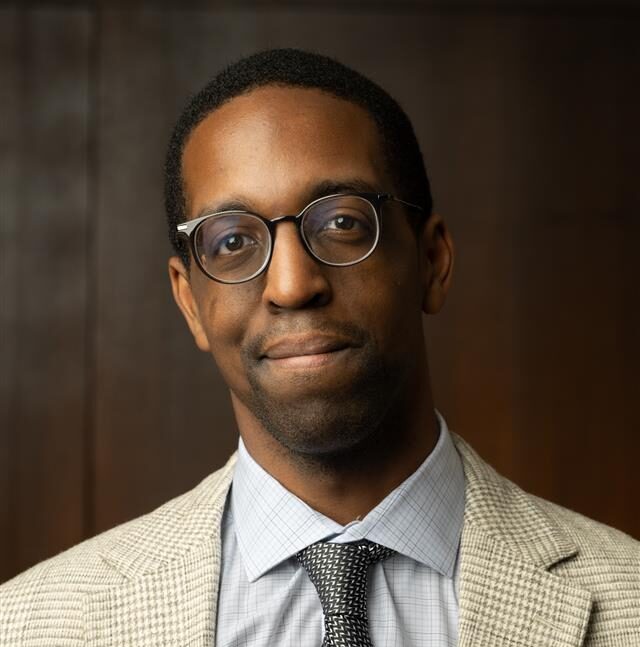
Our second interviewee is Jon Carter, an alumnus of our 2024 US Congressional Staff Exchange delegation, which visited Tokyo and Kumamoto. Jon has worked in national security since 2009, beginning with two combat deployments to Afghanistan—first under NATO command and later alongside a Navy SEAL team—before working in intelligence. He currently serves as Counsel on the House Committee on Oversight and Government Reform, where his portfolio includes national security, foreign affairs, homeland security, immigration, and federal law enforcement oversight. Previously, Jon served as a Legislative Assistant, advising on defense, foreign policy, homeland security, immigration, and oversight matters.
Jon holds a JD from The George Washington University Law School, dual BAs in Government and Philosophy from the University of Texas at Austin, and an AAS in Intelligence Operations from Cochise College. Outside of work, he stays busy as a runner and proud girl-dad.
Alumni Voices: Jon Carter
What do you do now? What are your key responsibilities?
As a Counsel on the House Committee on Oversight and Government Reform, I am responsible for initiating and supervising oversight and investigations related to foreign affairs and national security – whether it revolves around a department-level agency or an independent agency. Essentially, I work with whistleblowers and sensitive materials to determine when something has gone wrong, where there needs to be accountability, and how to make things right. Additionally, I prepare hearings, briefings, statements, memoranda, and oversight letters for Members of Congress, which range from diplomatic security concerns and the diversion of foreign assistance, to unauthorized retaliatory behavior against a foreign nation.
Please describe any work that you currently do that is related to Japan or US-Japan relations.
Japan is highly relevant to the broader national security and foreign affairs portfolio I cover. In the oversight context, US-Japan relations intersects with questions involving Indo-Pacific security, alliance management, defense posture, economic security, emerging technology, supply chain resilience, and coordination among democratic partners. Japan is central to many of the strategic issues Congress is grappling with, such as deterring aggression in the Indo-Pacific, strengthening coordination with South Korea and other partners, protecting critical technologies, and ensuring that US policy remains durable across administrations. My work requires understanding not only the executive branch’s policy objectives, but also how Congress can support, scrutinize, and strengthen long-term alliance commitments.
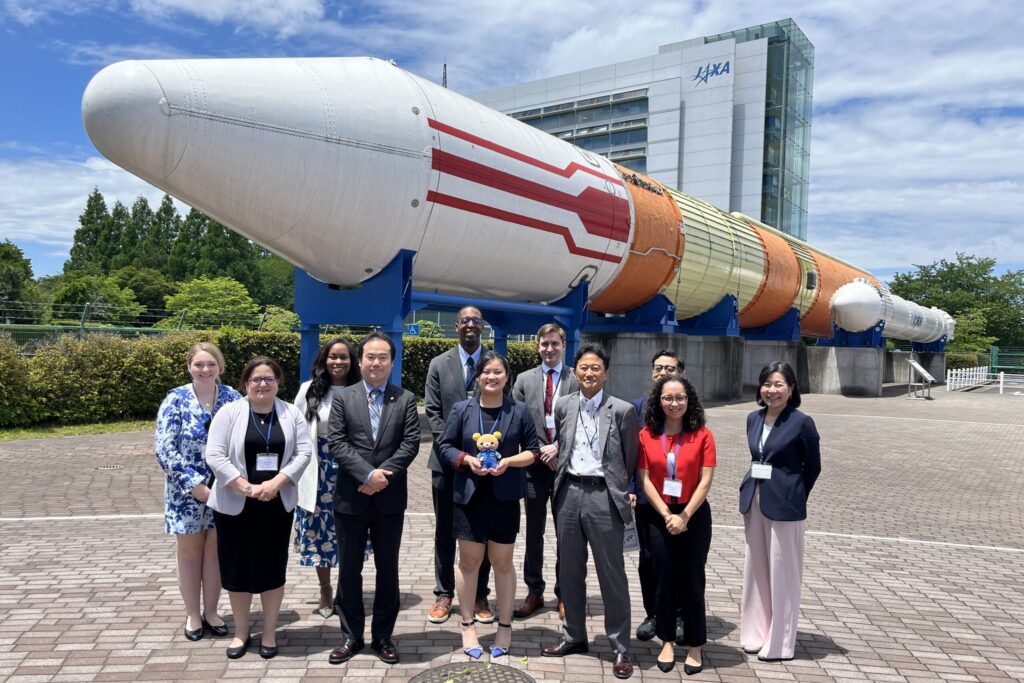
Visiting the headquarters of the Japan Aerospace Exploration Agency (JAXA)
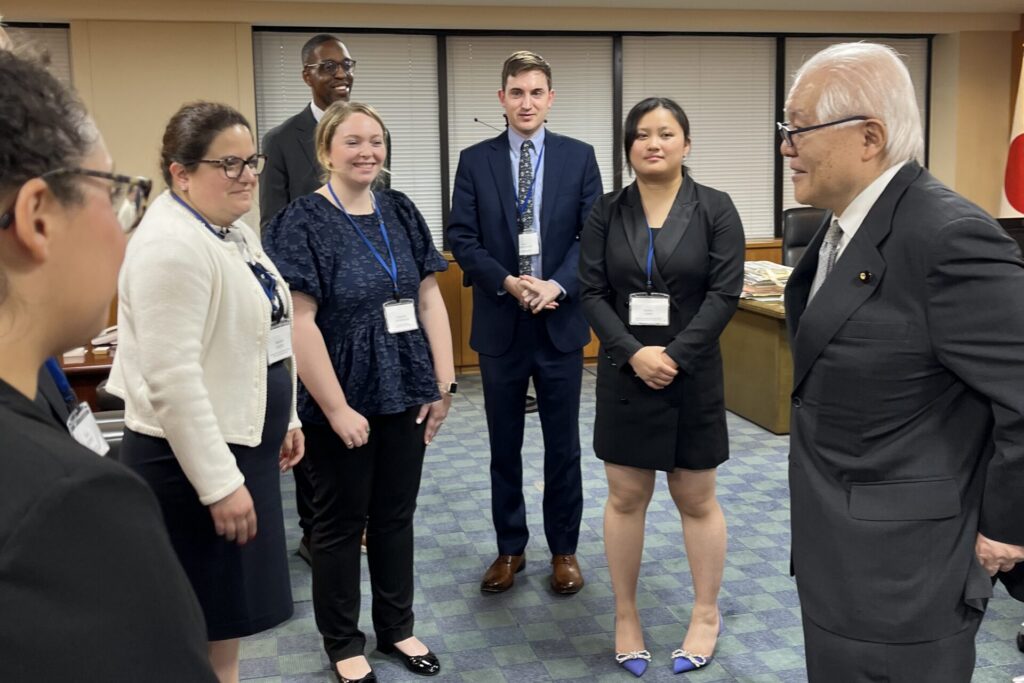
A discussion with Minister of Economy, Trade and Industry, Ken Saito
Meeting with Minister of Health, Labour and Welfare, Keizo Takemi
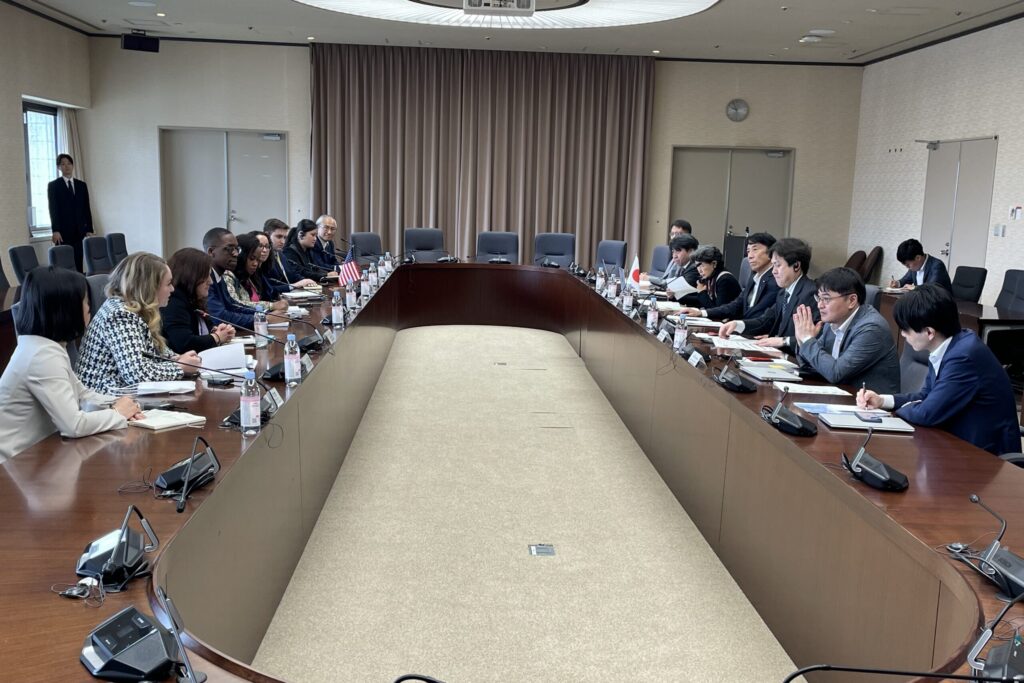
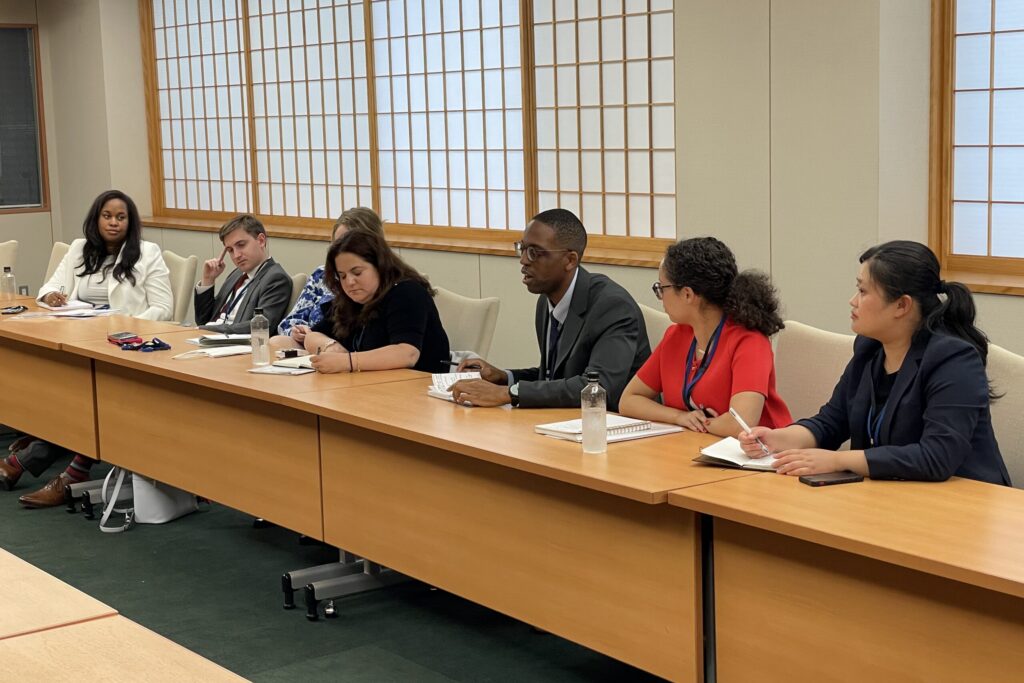
Participating in a policy discussion on US-Japan relations
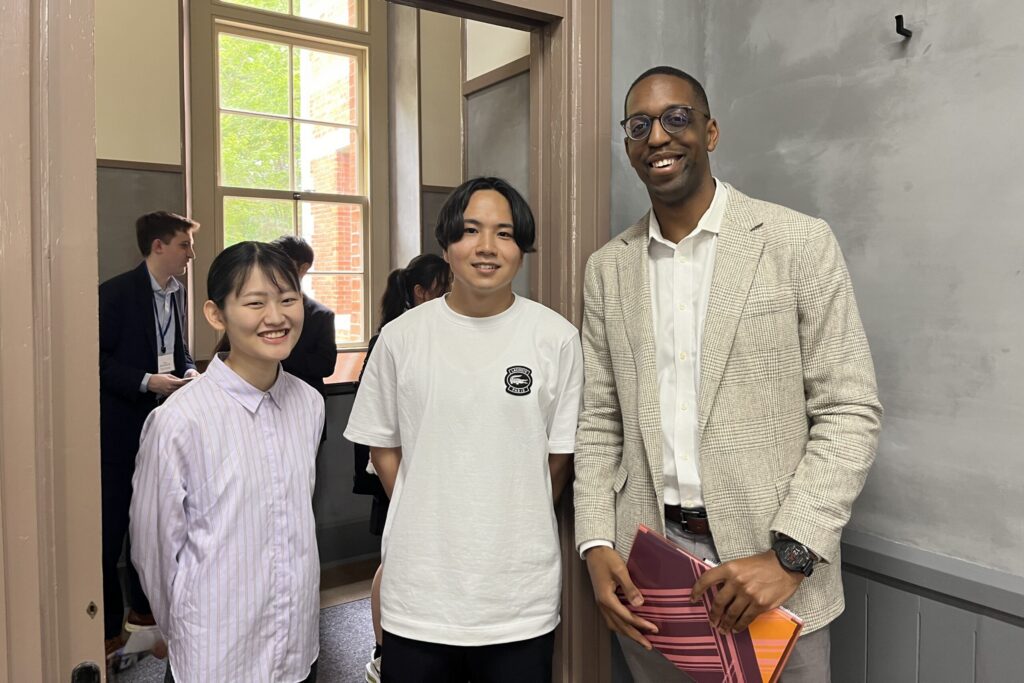
Speaking with students at Kumamoto University
What did you gain out of the trip, both professionally and personally?
The trip made a huge impact on my understanding of the various dynamics across the islands that make up Japan. It is hard to top the level of insight you get from engaging in candid conversation with almost a dozen Members of the Japanese Diet. That said, some very plugged-in students at Kumamoto University left an impression on me when they expressed shock as I described the GI Bill and its benefits when discussing the social and generational impacts of military service. Personally, as someone who has always been in awe of space flight and the stars, travelling to JAXA headquarters and learning from senior leadership about the projects that they were working on was a major highlight.
How do you hope to contribute to US-Japan relations or apply what you gained from the trip in your work going forward?
I hope to contribute by bringing a more informed, alliance-conscious perspective to my work on national security and oversight. In Congress, oversight can sometimes be viewed narrowly as identifying failures or demanding accountability. Those functions are essential, but good oversight should also strengthen the institutions and partnerships that advance US interests. The trip reinforced that Congress has an important role in making the US-Japan relationship more durable across political transitions, more tangible to the American public, and more connected to concrete policy areas such as defense posture, economic security, technology, energy, and regional diplomacy.
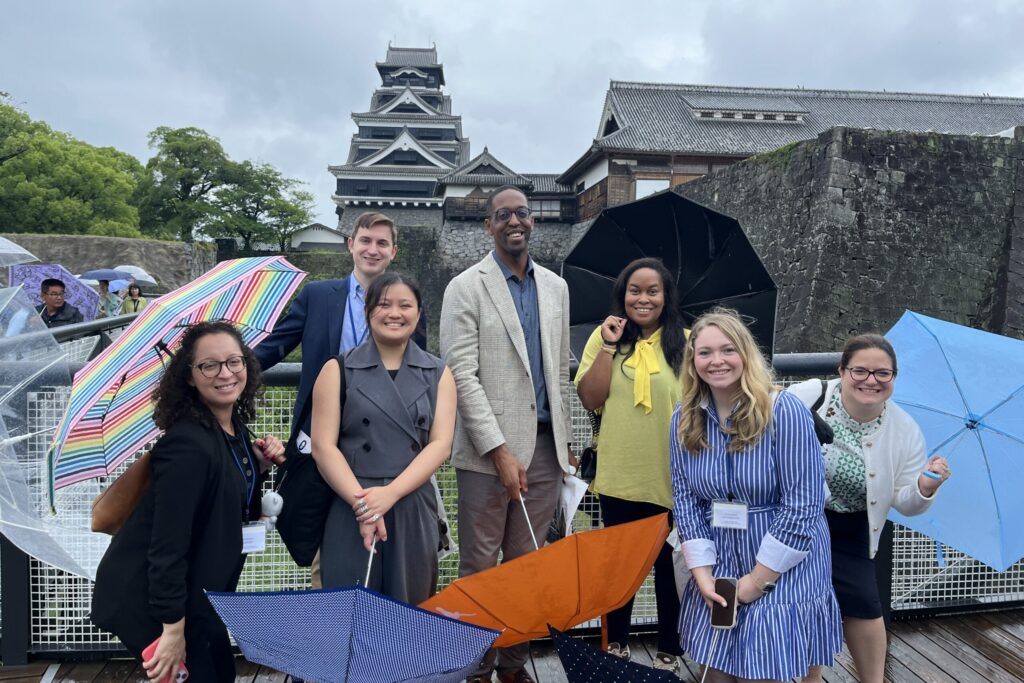
Visiting Kumamoto Castle
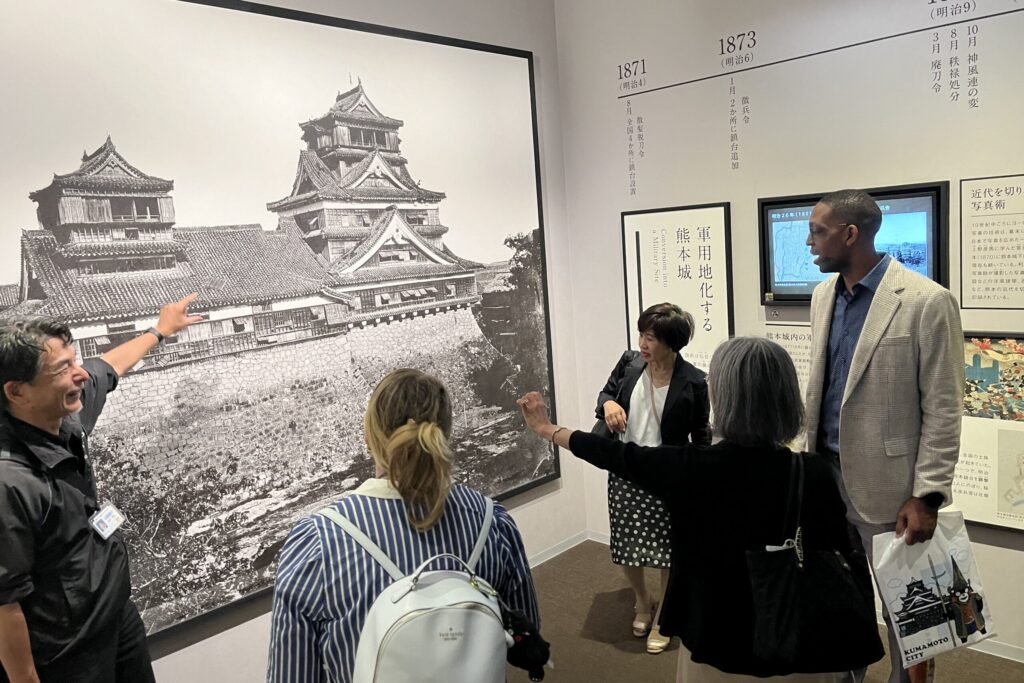
Learning the famous history of Kumamoto Castle
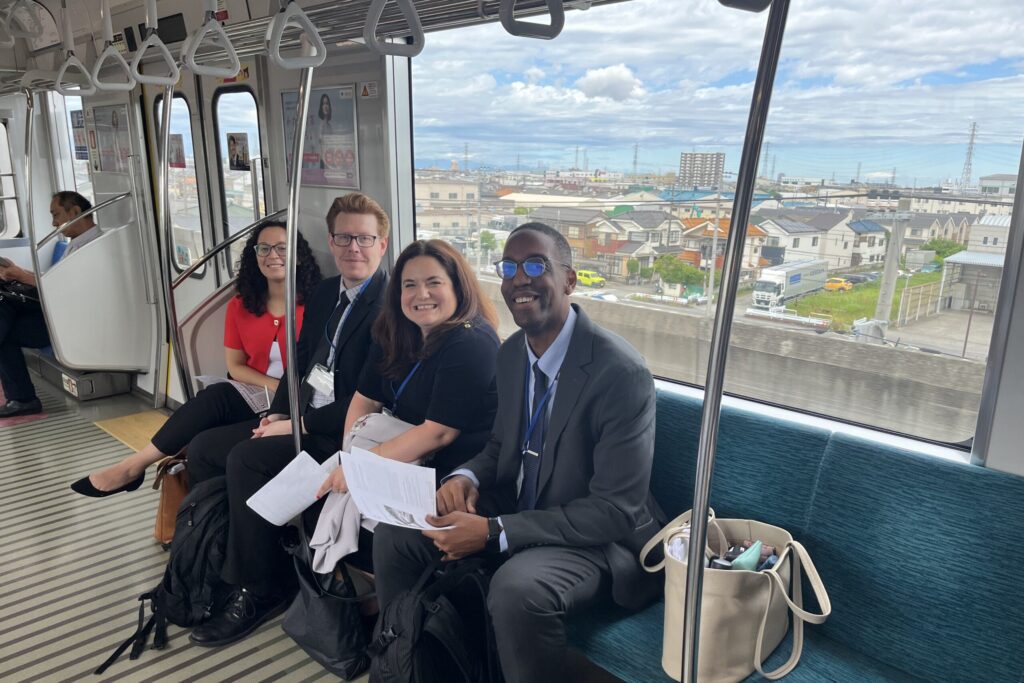
Learning about Japan's transportation system during the ride to Tsukuba Space Center
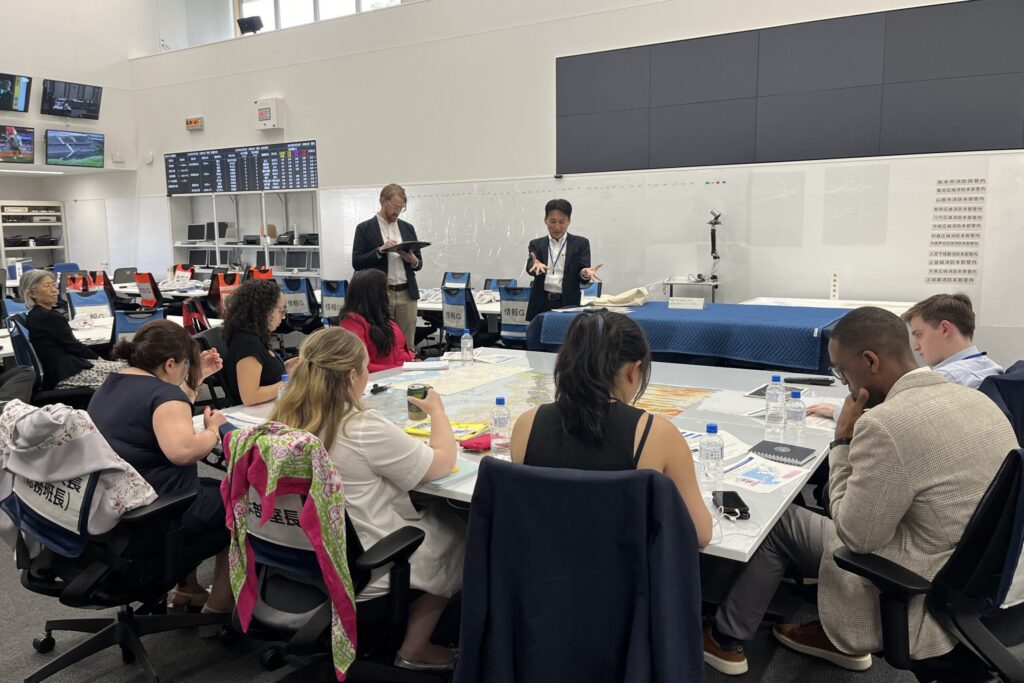
Briefing at Kumamoto Prefectural Disaster Prevention Center
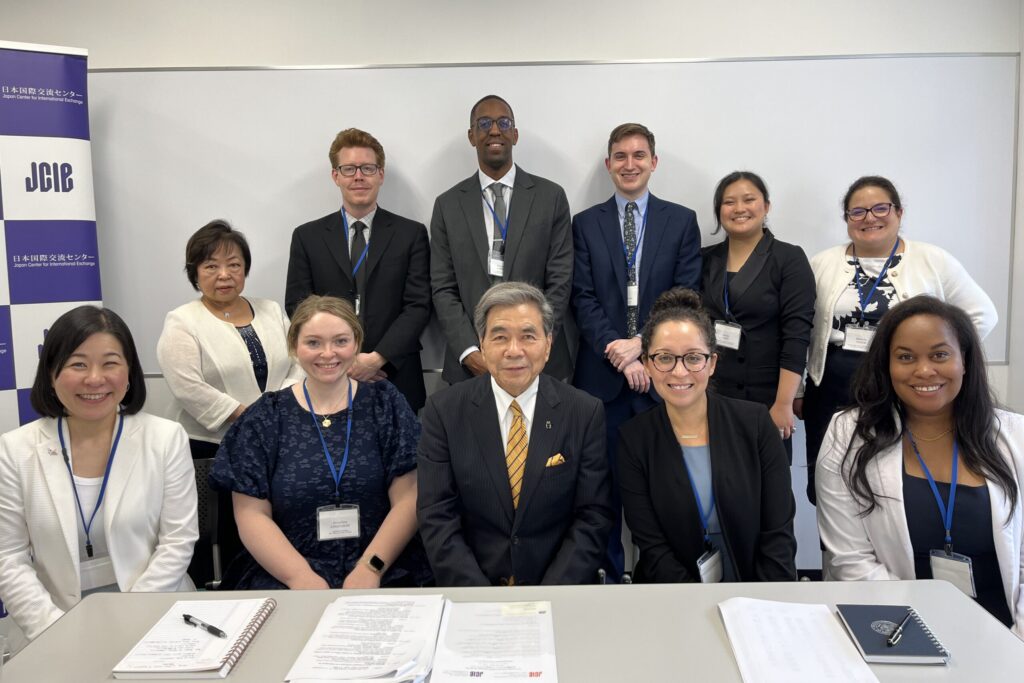
Meeting with the former governor of Kumamoto, Ikuo Kabashima
What message do you have for staffers who are interested in joining JCIE’s exchange program and why should they consider it?
Apply!
The exposure provided by this program is extremely rare and lends itself to a deeper understanding across several key policy areas. For staffers working on national security, foreign policy, trade, technology, energy, or even domestic policy issues with international implications, the exchange is especially valuable. It helps participants build relationships, sharpen their judgment, and understand that alliances are not self-executing. They require maintenance, humility, and sustained political attention. I would encourage staffers to participate not only because Japan is important, but also because the program makes them better congressional staffers: more informed, more globally aware, and better equipped to support serious policymaking.
For more alumni voices, check out other posts in this series below:
The US Congressional Staff Exchange alumni interviews were conducted by JCIE USA staff members Stephen McHugh (Chief Program Officer) and Kevin Bayes (Program and Administrative Assistant).