
Beyond Slurpees: Many Japanese Mini-Marts Now Cater to Elders
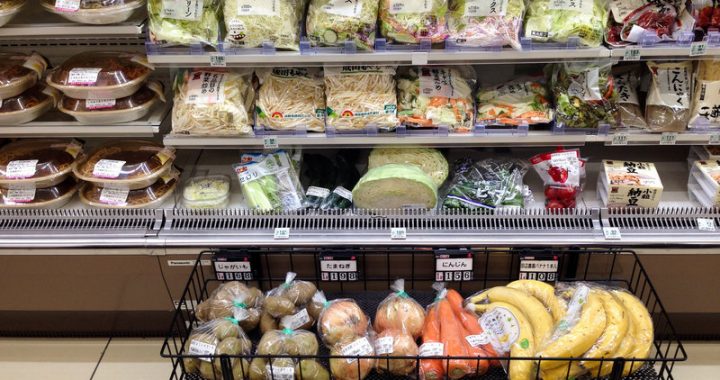
In Japanese cities, space is at a premium. So convenience stores that cram everything from Kleenex to rice balls into a few square yards are everywhere. But they’re not just a place for Slurpees and snacks. Nearly 27 percent of Japan’s population is 65 or older, and convenience stores are changing to serve this growing market.
How Japan Is Dealing with Impacts of Supporting the Oldest Population in the World

Japan has the oldest population in the world. Nearly 27 percent of the people there are 65 or older. NPR’s Ina Jaffe shares her stories on how Japan is changing as its population grows older.
Flush, then Fill Up: Japan Taps Sewage to Fuel Hydrogen-Powered Cars
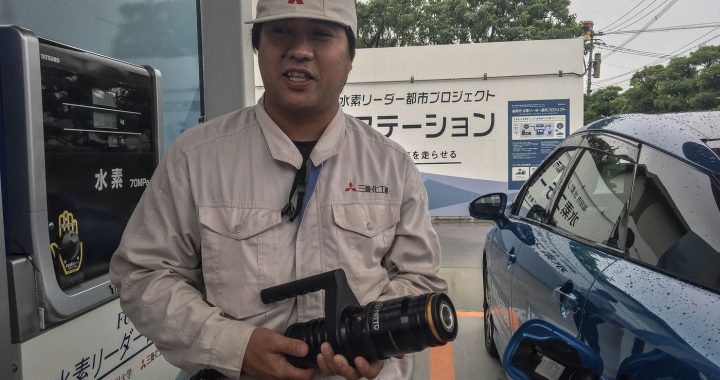
When Mutsuro Yuji, chief of the central sewage plant in Fukuoka, first heard about the idea of making hydrogen from biogas — the combination of methane and carbon dioxide produced by the breakdown of stinky matter — he was skeptical. But now, drivers are able to roll up to the sewage plant and power up their hydrogen fuel cell cars at what you might call the world’s first toilet-to-tank filling station.
Citizen Science Takes on Japan’s Nuclear Establishment

As other Tokyo office workers poured into restaurants and bars at quitting time one recent evening, Kohei Matsushita went to the eighth floor of a high-rise for an unusual after-hours activity: learning how to assemble his own Geiger counter from a kit.
Learning from Japan’s Tsunami: Six Steps to Improve International Disaster Philanthropy
When news began trickling out about the massive earthquake and tsunami that struck Japan on March 11, 2011, it was immediately clear we were dealing with a disaster of historic proportions. What was less clear was how the rest of the world should respond, especially since the disaster hit a rich country rather than an impoverished one.
Japan’s Centuries-Old Tradition of Making Soba Noodles
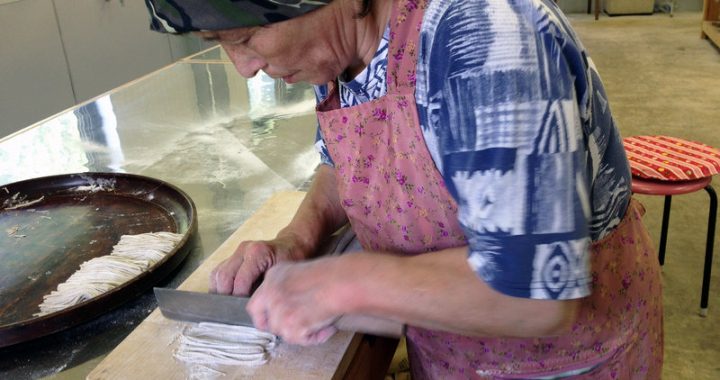
Here in Japan, the buckwheat noodles known as soba are a staple. Nowhere more so than in the mountains of the southern island of Shikoku. The soil there is poor. Buckwheat is one of the few crops that will grow. So the region has been known for its soba for centuries.
How Art Transformed a Remote Japanese Island
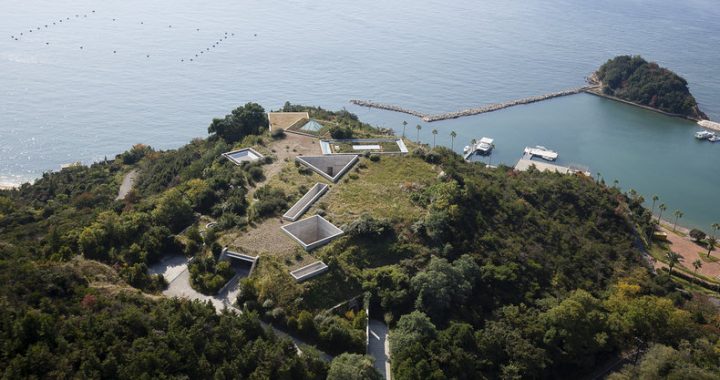
Art can enlighten, soothe, challenge and provoke. Sometimes it can transform a community. Case in point: a 5.5-square-mile island called Naoshima in Japan’s Seto Inland Sea, where art tourism has brought big changes to the island and the lives of its residents.
Accepting Immigrants is the Ultimate Key to Reviving Japan
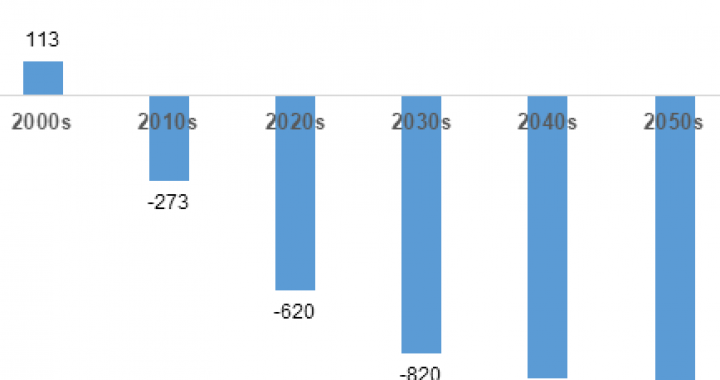
The Japanese government continues to avoid adopting an immigration policy unpopular with the public as the population continues to decline. While the groundwork for receiving migrants has been laid to a degree at the grassroots level, the government should undertake to develop a comprehensive immigration policy.
Japan on Missile Mission to Get 127 Million People to Hide—Fast
Natalie Andrews reports on Japan’s efforts to train its citizens how to effectively respond to a missile threat, a necessary process given looming threats from North Korea.
Why Japan Is Paying Single Mothers to Move to the Countryside
Japan’s population is projected to shrink by a third by 2065. With small towns getting smaller, local governments are looking for creative ways to bring in new people.