
FGFJ | Inaugural Japan Visit of New Global Fund Executive Director Dr. Michel Kazatchkine
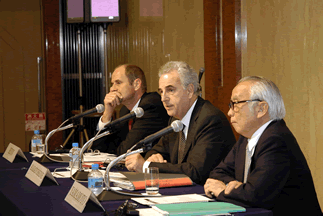
JCIE/FGFJ held a seminar in Tokyo on July 26, 2007, on the topic From Heiligendamm to Toyako—The Global Fund on the G8 Agenda, during which Dr. Michel Kazatchkine and Dr. Christoph Benn offered the audience an overview of the Global Fund’s work and its results so far and appealed to Japan to make sure that the momentum that started in Okinawa eight years ago is not lost over the coming years.
FGFJ | Journalist Delegation to Cambodia and Vietnam

From April 21 to 25, 2008, JCIE/FGFJ and the Global Fund led a delegation of five Japanese journalists from major national newspapers to Cambodia and Vietnam. The journalists visited a broad range of sites so that they could better understand the public health problems these countries face and the efforts on the ground to improve the situation.
FGFJ | Diet Delegation to Cambodia and Vietnam
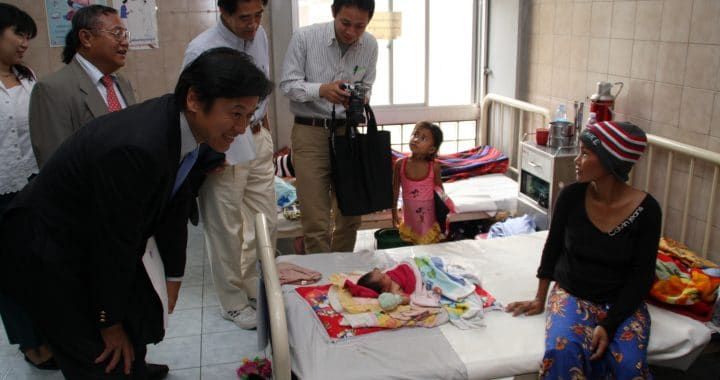
On July 22 to 25, 2008, six members of the JCIE/FGFJ Diet Task Force visited Cambodia and Vietnam to speak with community leaders, aid workers and national policymakers working on AIDS, malaria, and tuberculosis and to visit treatment sites and communities dealing with these diseases.
FGFJ | Site Visits to Global Fund–Supported Projects in Ethiopia and Senegal
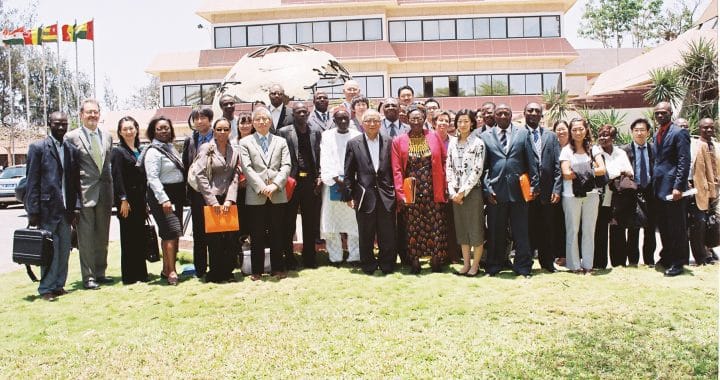
In order to promote better understanding of how Global Fund support reinforces other health-related activities at the community level, the FGFJ and JCIE worked closely with the Global Fund to organize a study trip for several prominent Japanese global health experts and emerging scholars to Ethiopia and Senegal from April 26 to May 4, 2011.
FGFJ | Prime Minister Kan Opens Access to Life Photo Exhibit
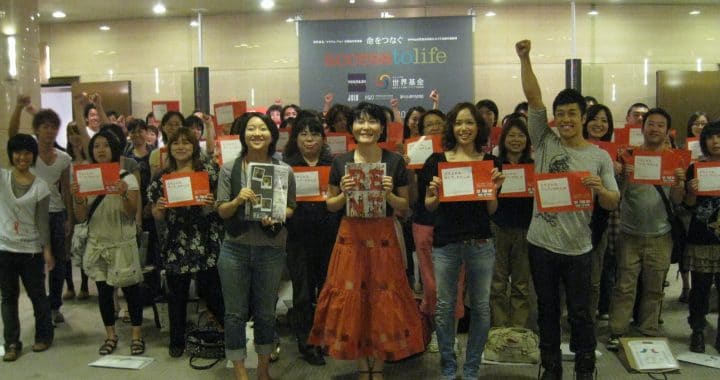
On September 3, 2010, Prime Minister Naoto Kan opened a special launch event for the Tokyo exhibition of a joint photographic project by Magnum Photos and the Global Fund to Fight AIDS, Tuberculosis and Malaria. This exhibit documents the impact of antiretroviral treatment on the lives of people living with AIDS around the world and is designed to give a human face to the global effects of the disease.
JCIE Organizes Side Meetings to Advance Global Health Dialogue at TICAD7
JCIE co-organized three official side events during TICAD7, building on the momentum of the week to advance policy dialogue around key global health issues such as sustainable financing of universal health coverage (UHC), the challenges of aging in Africa, and the health worker shortage that remains a major bottleneck to UHC and economic growth.
Health Workforce Investment as a Driver of UHC and Economic Development
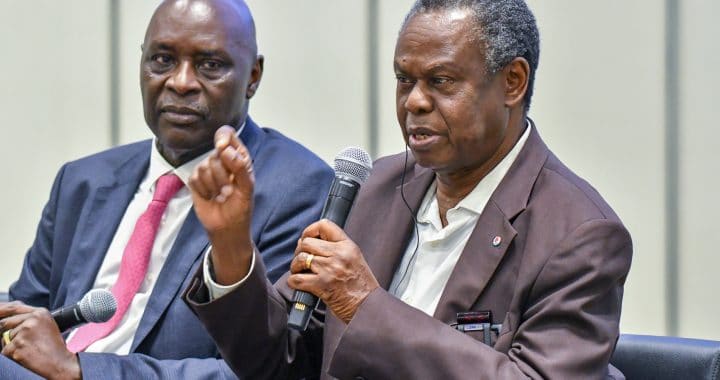
On the sidelines of TICAD7, JCIE partnered with IntraHealth International to organize this side event. Over 120 participants took part in a discussion on the wide-ranging benefits of health workforce investments not only for furthering health goals but also goals in interrelated fields such as education, gender equity, and inclusive economic growth.
FGFJ | Promoting Global Health and Human Security during TICAD V
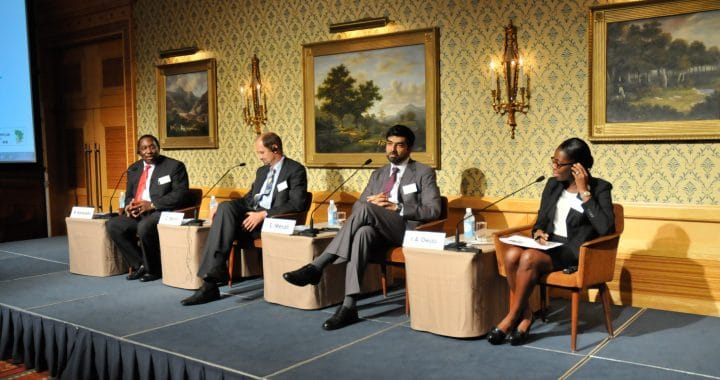
JCIE and its Friends of the Global Fund, Japan (FGFJ) initiative, organized a series of events during the Fifth Tokyo International Conference on African Development (TICAD V). The events focused on the role that Japan has played—and should continue to play—in promoting Africa’s economic development through its leadership in the global fight against communicable diseases.
Towards Population Ageing in Africa
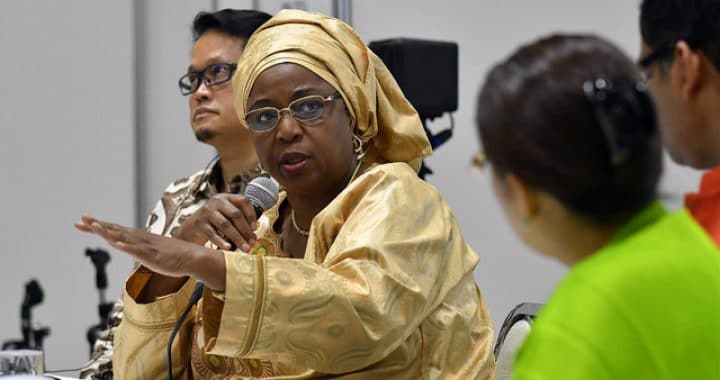
Held on the sidelines of the 7th Tokyo International Conference of African Development (TICAD7), this event brought together influential policymakers, NGO representatives, and academicians for a dialogue on the challenges of aging populations in Africa.
Seminar and Roundtable on US-Japan Cooperation on Global Health

Dr. Harvey Fineberg, president of the Institute of Medicine and former dean of the Harvard School of Public Health, visited Tokyo to speak at a seminar organized by JCIE on ways in which the new governments in the United States and Japan could reshape bilateral cooperation on global health issues, stressing important relationships with both the private sector and the developing world.