
A Dying Japanese Village Brought Back to Life—by Scarecrows
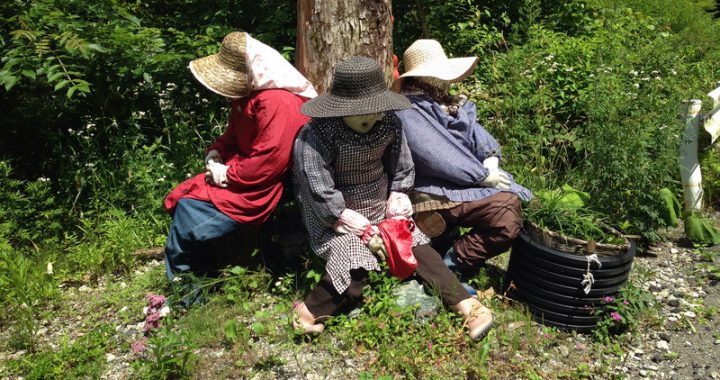
Japan’s population is declining. For example, the rural village of Nagoro used to have around 300 residents. Now it has 30. Visitors know they’ve arrived when they see the three farmers in floppy hats resting against a telephone pole by the side of the road. They’re scarecrows, life-sized figures made of cloth and stuffed with cotton and newspapers.
For Some Older Adults in Japan, a Chance to Stay in the Workforce

Hiromi Yamamuro is doing something that’s relatively rare in Japan. At age 67, he’s still working in the corporate world, where traditionally, the mandatory retirement age has been 60. But Yamamuro keeps going, because he loves his job — which he’s been doing for 18 years — selling environmentally friendly products at Tokyo-based Sato Holdings.
Japanese City Takes Community Approach to Dealing with Dementia
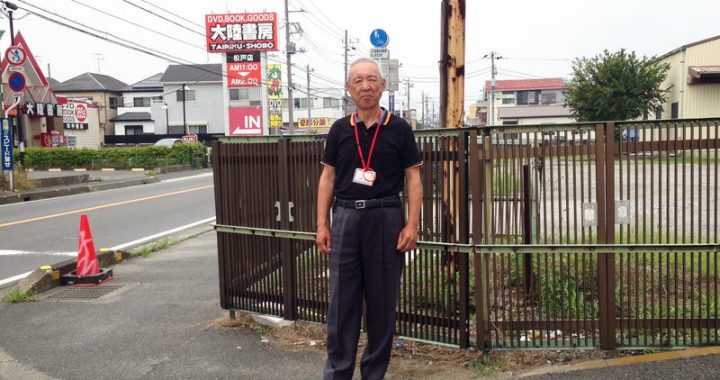
No government plan can keep people with dementia from wandering. But health officials in Japan hope there eventually will be entire communities prepared to help keep them safe, if and when they do. Through community training, thousands of Japanese citizens have been taught how to effectively communicate with people who display signs of dementia.
Beyond Slurpees: Many Japanese Mini-Marts Now Cater to Elders

In Japanese cities, space is at a premium. So convenience stores that cram everything from Kleenex to rice balls into a few square yards are everywhere. But they’re not just a place for Slurpees and snacks. Nearly 27 percent of Japan’s population is 65 or older, and convenience stores are changing to serve this growing market.
How Japan Is Dealing with Impacts of Supporting the Oldest Population in the World

Japan has the oldest population in the world. Nearly 27 percent of the people there are 65 or older. NPR’s Ina Jaffe shares her stories on how Japan is changing as its population grows older.
Accepting Immigrants is the Ultimate Key to Reviving Japan
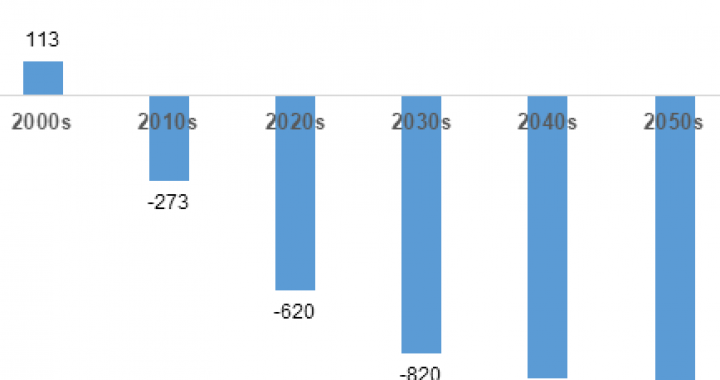
The Japanese government continues to avoid adopting an immigration policy unpopular with the public as the population continues to decline. While the groundwork for receiving migrants has been laid to a degree at the grassroots level, the government should undertake to develop a comprehensive immigration policy.
Why Japan Is Paying Single Mothers to Move to the Countryside
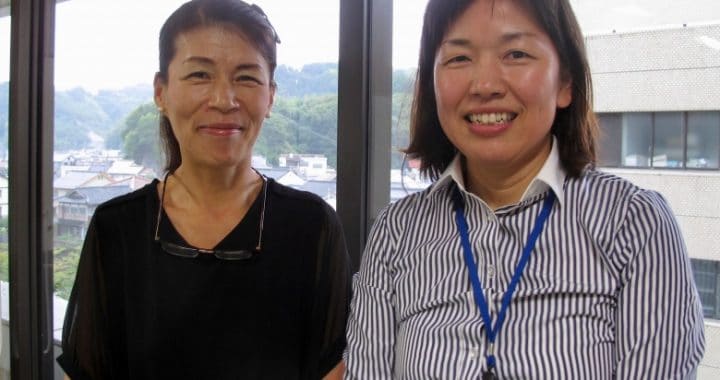
Japan’s population is projected to shrink by a third by 2065. With small towns getting smaller, local governments are looking for creative ways to bring in new people.
Japan Eases Immigration Restrictions to Fill Chronic Care Worker Shortage
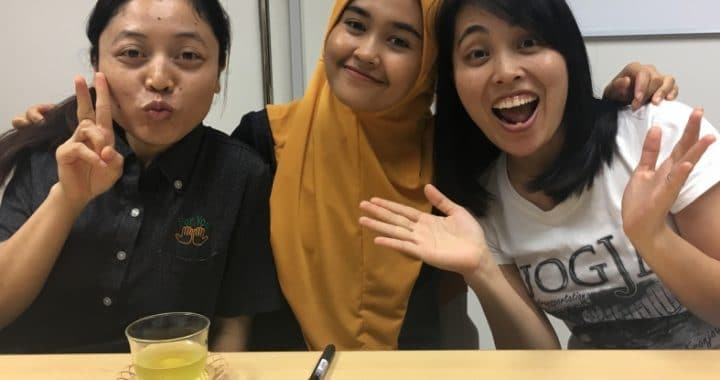
In the past, Japan allowed mostly highly skilled professionals in the country. Now, due to severe labor shortages, Prime Minister Shinzo Abe has ordered the government to look into new policies that would attract less-skilled workers to fill additional jobs. But the government will have to go beyond simply easing employment restrictions.