
Global ThinkNet Fellows

The Global ThinkNet Fellows program was launched by JCIE in 1996 in response to the need for more participation by Japanese scholars and researchers in international collaborative policy research and dialogue. The study group projects focused on such topics as the impact of coalition government on the political process in Japan, nonstate actors in international relations, and challenges facing the U.S.-Japan alliance in the 21st century.
Growing Asia-Pacific Regionalism and New Opportunities to Advance Non-traditional Security Cooperation
The overall objective of this research project was to examine intraregional cooperation and the supraregional contributions of that cooperation. The research team was comprised of younger and mid-level researchers with expertise in each of the research areas.
The Impact of Changing US Policy on the Emerging East Asia Community
This research project explores shifts in the US role in the region under new political leadership and what impact this will have on East Asia community building and regional cooperation in key areas where East Asia is increasingly striving to work together.
Asia Pacific Security Outlook (APSO)
From 1997 to 2005, JCIE sponsored the Asia Pacific Security Outlook (APSO), an annual research project on regional security issues that produced a publication of the same name. The APSO project monitored changing perceptions of countries in the region in regard to their security environment, national defense issues, and contributions to regional and global security.
Vision of Asia Pacific in the 21st Century
This multinational research project brought together a team of young scholars to examine the significant mid-term and long-term challenges facing the Asia Pacific region. The project began with a general assessment of the broad cultural changes affecting the region, and moved on to an examination of specific issues most important to building a peaceful, prosperous, and just region for the 21st century.
Humanitarian Aid for Marginalized Immigrants (HAMIS)
In partnership with the Japan Platform (JPF), JCIE has launched a project to provide grants utilizing funds held in dormant bank accounts in Japan. Humanitarian Aid for Marginalized Immigrants (HAMIS), will provide financial support to organizations that provides humanitarian assistance and support self-reliance among foreign residents in Japan.
Regulatory Harmonization Task Force

In 2018, JCIE’s Executive Committee on Global Health and Human Security created a Task Force for Promoting Pharmaceutical and Medical Device Regulatory Harmonization in Asia. The group, comprised of 15 experts from industry, academia, and government, seeks to formulate recommendations on how Japan could improve access to pharmaceuticals and medical devices in Asia.
Population Decline & Immigration in Japan
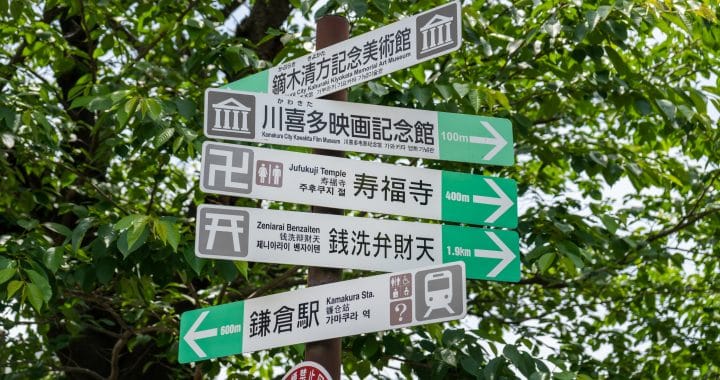
A robust dialogue on immigration is essential to combating and solving the burdens that continued population decline will place on Japanese society. With the goal of playing a guiding role in that dialogue, JCIE is building upon its previous work to implement a new series of initiatives that addresses population decline and a vision for accepting foreigners into Japan.
Diverse Roots, Inclusive Society Program
JCIE has launched the Diverse Roots, Inclusive Society initiative to build the social infrastructure needed to build a more inclusive Japanese society that can fully support youths with foreign roots. JCIE will act as a funding organization to provide grants that support the types of educational support, employment support, etc., that youths with foreign roots require.
Empowering Women Leaders Program
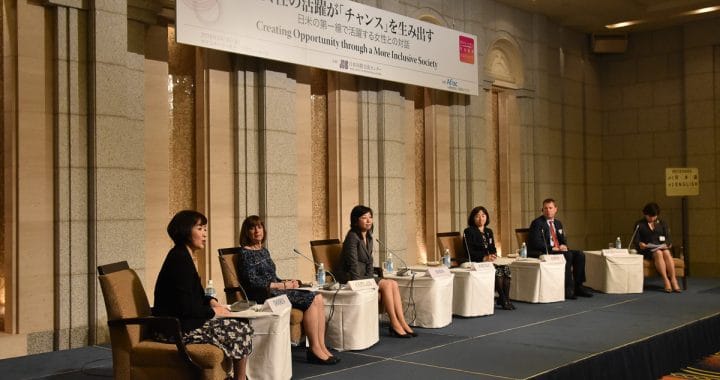
JCIE’s Empowering Women Leaders program aims to strengthen the capacity of women leaders to participate in international dialogues, build networks among women leaders, and share lessons on ways to encourage fuller participation by women in the policymaking process.