
Roundtable on Japan’s Migration Policy
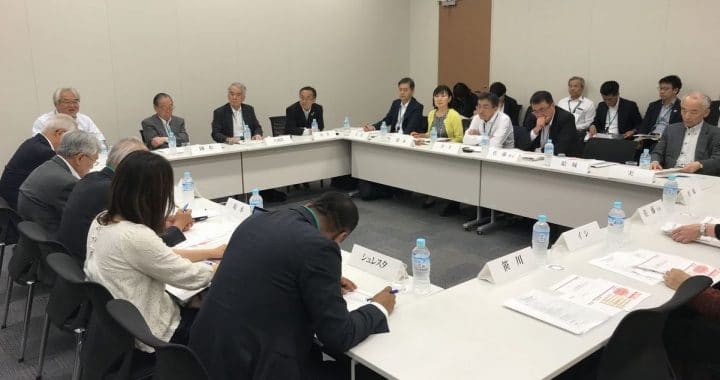
In the fall of 2018, JCIE launched a new roundtable to discuss Japan’s immigration policy. The project’s 25 members include national and municipal policymakers, business leaders, experts from NPOs, academics, and foreign residents.
Learning from Disaster Responses

On March 11, 2011, a devastating earthquake and tsunami struck Japan’s Tohoku region, triggering a nuclear meltdown in Fukushima. JCIE supported the international response by serving as a bridge between overseas donors and Japanese groups working in the disaster zone, facilitating coordination among American and Japanese humanitarian organizations, and disseminating information and analysis to support and connect responders.
Facilitating Philanthropy Program

The US-Japan Philanthropy Initiative handles charitable donations from US-based individuals and corporations in the manner of a donor-advised fund, accepting recommendations about organizations the donor prefers to support, then conducting due diligence to decide whether to make a grant to the suggested organization or others that advance the aims of the donation.
US-Japan Philanthropy Initiative

Through the US-Japan Philanthropy Initiative, JCIE/USA helps facilitate charitable giving from donors in one country to innovative organizations in the other that are working to improve society and/or strengthen international relations.
Population Decline & Immigration in Japan
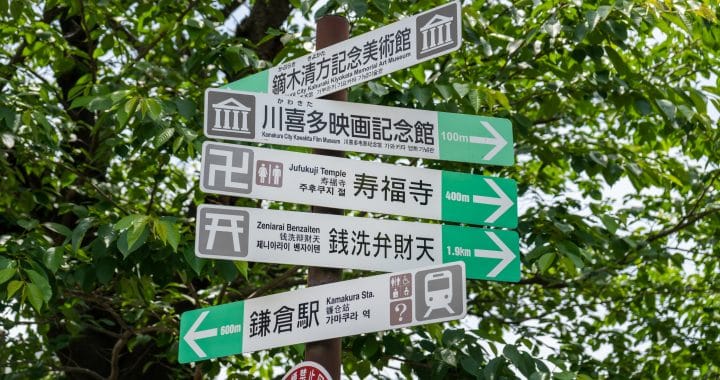
A robust dialogue on immigration is essential to combating and solving the burdens that continued population decline will place on Japanese society. With the goal of playing a guiding role in that dialogue, JCIE is building upon its previous work to implement a new series of initiatives that addresses population decline and a vision for accepting foreigners into Japan.
Regulatory Harmonization Task Force

In 2018, JCIE’s Executive Committee on Global Health and Human Security created a Task Force for Promoting Pharmaceutical and Medical Device Regulatory Harmonization in Asia. The group, comprised of 15 experts from industry, academia, and government, seeks to formulate recommendations on how Japan could improve access to pharmaceuticals and medical devices in Asia.
Population Decline & Immigration in Japan
A robust dialogue on immigration is essential to combating and solving the burdens that continued population decline will place on Japanese society. With the goal of playing a guiding role in that dialogue, JCIE is building upon its previous work to implement a new series of initiatives that addresses population decline and a vision for accepting foreigners into Japan.
Diverse Roots, Inclusive Society Program
JCIE has launched the Diverse Roots, Inclusive Society initiative to build the social infrastructure needed to build a more inclusive Japanese society that can fully support youths with foreign roots. JCIE will act as a funding organization to provide grants that support the types of educational support, employment support, etc., that youths with foreign roots require.
Empowering Women Leaders Program
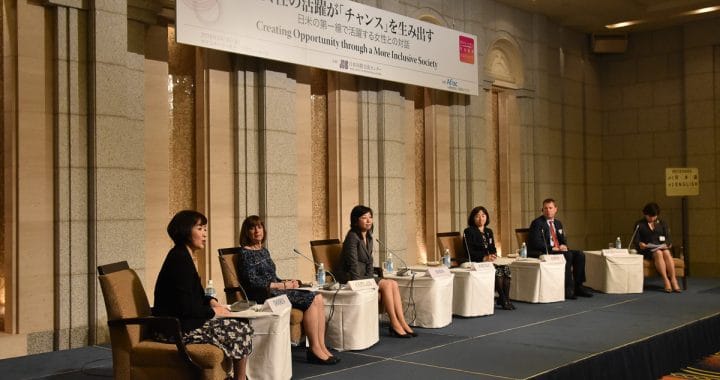
JCIE’s Empowering Women Leaders program aims to strengthen the capacity of women leaders to participate in international dialogues, build networks among women leaders, and share lessons on ways to encourage fuller participation by women in the policymaking process.
US-Japan Women Leaders Dialogue
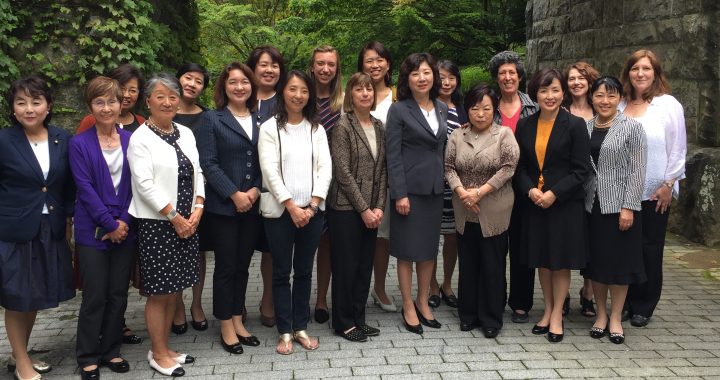
Recognizing that the voices of women continue to be underrepresented in discussions of key policy issues facing both Japanese and American societies, JCIE launched the US-Japan Women Leaders Dialogue in 2017 as part of the Empowering Women Leaders Program to convene women leaders from varying walks of life.