
Healthy and Active Aging
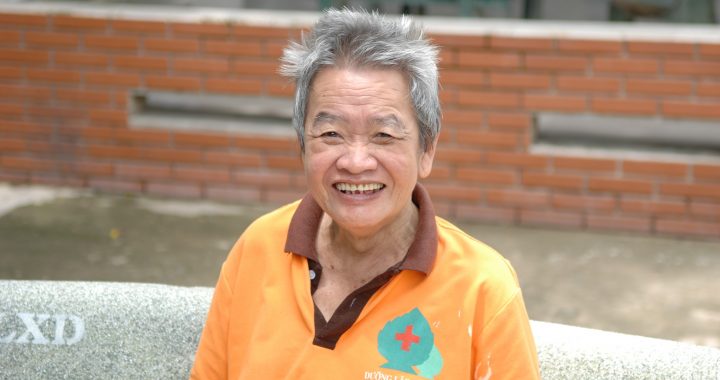
A look at the critical impact of aging on Japanese and other societies. JCIE is promoting dialogue, exchange, and research to understand the implications of aging societies worldwide and to share best practices to ensure that Japan and others can enjoy healthy longevity.
Healthy and Active Aging in Asia
A look at the critical impact of aging on Japanese and other societies. Rapid population aging is one of the key challenges faced not only by Japan but by an increasing number of ASEAN and East Asian countries. JCIE’s new program on Healthy and Active Aging in Asia aims to contribute to the promotion of bilateral and regional cooperation on aging-related challenges in Asia.
Japanese-German Forum
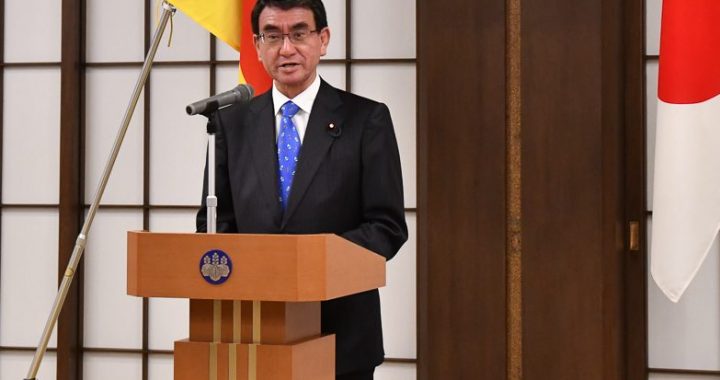
The Japanese-German Forum was created in 1993 as a private, bilateral dialogue designed to promote mutual cooperation and understanding.
US-Japan Global Health Dialogue
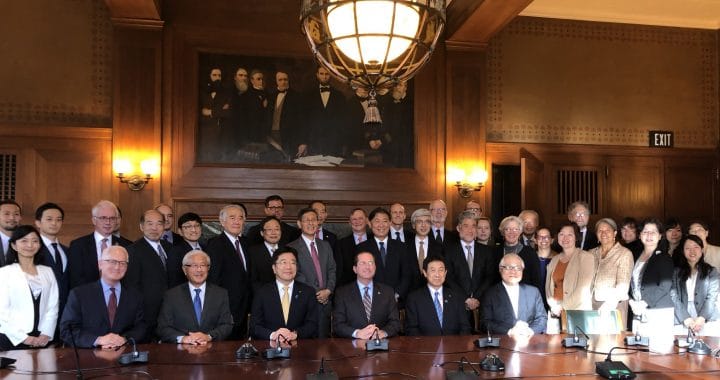
JCIE gathers policy experts and senior officials from various US and Japanese government agencies for a series of high-level dialogues to identify areas where the two countries can deepen cooperation on global health. Meetings have been co-organized with the UN Foundation, the Center for Strategic and International Studies (CSIS), and the National Academy of Medicine (NAM).
Tadashi Yamamoto Memorial Seminar
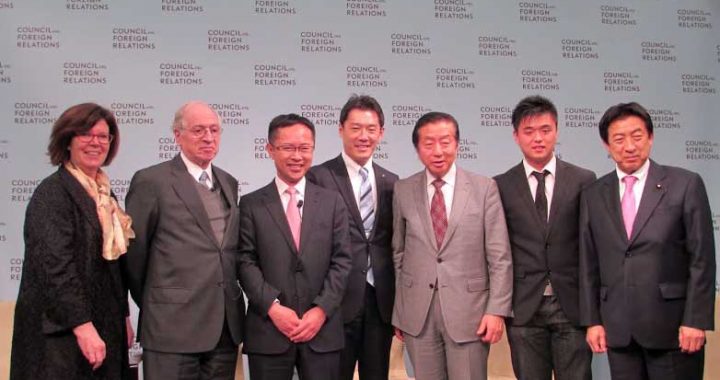
Throughout his career, JCIE’s founder Tadashi Yamamoto made a special effort to engage both senior and emerging leaders from politics, government, civil society, and other walks of life in the type of substantive policy dialogue that builds the foundations for greater international cooperation.
US-Japan Young Political Leaders Exchange
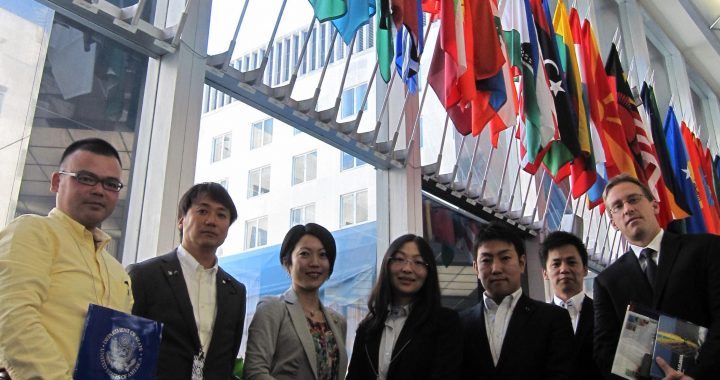
In 1973, JCIE and the American Council of Young Political Leaders (ACYPL) jointly launched the US-Japan Young Political Leaders Exchange Program, an annual bilateral exchange program designed to expose young leaders of each country to the politics and policymaking processes of the other country and to enhance their understanding of US-Japan relations.
Japan’s Global Health Strategy in the Post–COVID-19 Era Vol. 13 | The Significance and Challenges of Public-Private Partnership in Global Health Cooperation
This article examines the significance and challenges of public-private partnership in global health and explores multistakeholder relationships for effective global health cooperation in the post-COVID era.
Japan’s Global Health Strategy in the Post–COVID-19 Era Vol. 12 | Can the ACT Accelerator Achieve Truly Fair and Equitable Access to COVID-19 Tools?
This paper discusses ACT-A as a potential tool to ensure fair and equitable access to healthcare, through inclusive, democratic, and transparent decision making.
Japan’s Global Health Strategy in the Post–COVID-19 Era Vol. 6 | A Review of Challenges and Options for International Sharing of Pathogens and Related Information in Pandemic Response
This policy brief addresses the issues and options of international frameworks on sharing of pathogens and GSD based on the review of existing literature and other sources.
Japan’s Global Health Strategy in the Post–COVID-19 Era Vol. 14 | Essential Medical Products during a Public Health Emergency of International Concern (PHEIC)
This article considers such questions as why the global disparity in access has occurred, whether international efforts to close those gaps have been successful, and what is needed for a fundamental solution to the problem.