US Congressional Staff Exchange Alumni Interview with Jon Carter
JCIE USA is excited to launch a new interview series featuring alumni of our US Congressional Staff Exchange Program. Our second interview is with Jon Carter, an alumnus of our 2024 US Congressional Staff Exchange delegation.
APPLICATIONS OPEN: 2026 US Congressional Staff Exchange Program and Japan Study Tour

JCIE is now accepting applications for our 2024 US Congressional Staff Exchange Program to select a bipartisan group of up to Congressional staffers who will participate in a week-long study tour in Japan.
Japan-Korea Forum | 34th Meeting
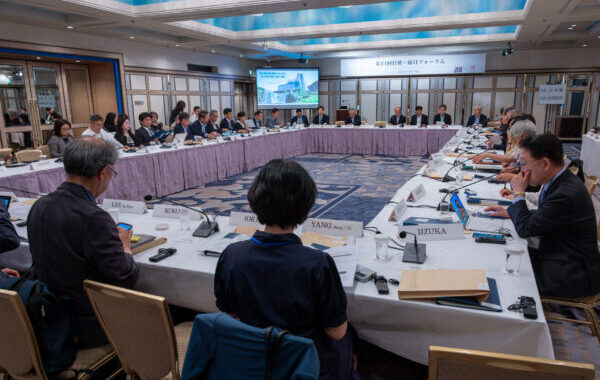
The 34th Japan-Korea Forum brought together politicians, scholars, journalists, and business representatives in Tokyo to discuss key issues facing Japan and South Korea. Building on last year’s 60th anniversary of the normalization of diplomatic relations between the two nations, the Forum this year looked ahead to the next chapter of Japan-Korea relations.
US Congressional Staff Exchange
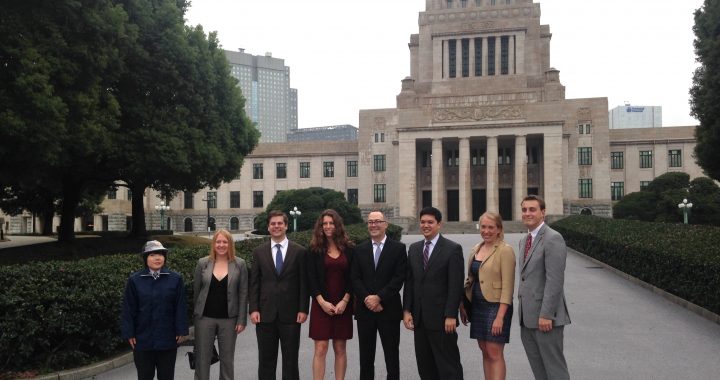
JCIE established the US Congressional Staff Exchange Program in 1982 in recognition of the vital role Congressional staff play in policymaking. The one-week program provides senior Congressional staffers with the opportunity to meet Japanese legislators and policymakers and give them a sense of the Japanese policymaking process as well as political, economic, and societal trends.
JCIE USA Launches US Congressional Staff Exchange Alumni Interview Series
JCIE USA launched a new interview series featuring alumni of our US Congressional Staff Exchange Program. Since 1982, this program has taken bipartisan delegations of up-and-coming staffers on Capitol Hill to Japan each year, providing them with opportunities to deepen their understanding of Japan and US-Japan relations through a weeklong study tour in the country and post-trip activities. The series aims to highlight the staffers’ work, their memories from the Japan study tour, and the lasting impact the program has had on both their personal and professional lives.
The series aims to highlight the staffers’ work, their memories from the Japan study tour, and the lasting impact the program has had on both their personal and professional lives. Through these interviews, we hope to illustrate the value of legislative exchanges in strengthening and upholding the US-Japan alliance.
FGFJ Co-organizes Global Fund Procurement Forum
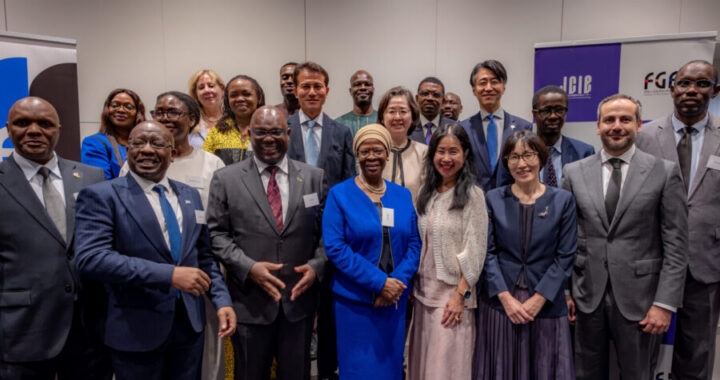
A Global Fund Procurement Forum was organized by the Japan Center for International Exchange (JCIE)/Friends of the Global Fund, Japan (FGFJ), in collaboration with the Ministry of Health, Labour and Welfare (MHLW) and the Ministry of Foreign Affairs (MOFA).
The seminar introduced the mechanisms and opportunities for participating in Global Fund procurement, targeting Japanese companies interested in entering the international public procurement market and expanding overseas.
FGFJ Welcomes the Chair of the Global Fund Board to Tokyo to Strengthen the Partnership with Japan
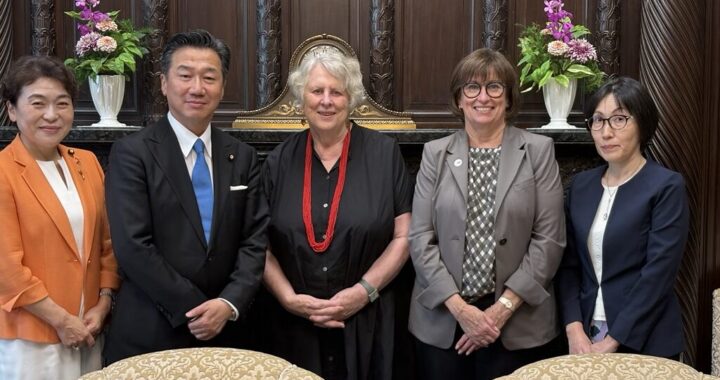
Lady Roslyn Morauta (Lady Ros), Chair of the Global Fund Board, visited Tokyo on June 17–19, 2026, to attend the Asia-Pacific AIDS and Co-Infections Conference (APACC). During her visit, JCIE’s Friends of the Global Fund, Japan, coordinated a series of high-level meetings and dialogue sessions with key stakeholders in Japan, including government officials, parliamentarians, and civil society representatives.
Lancet Papers Call for Japan to Redesign Health and Diplomacy by 2040

For the first time in nearly 15 years, The Lancet has published a special issue on Japan, with two policy papers analyzing Japan’s healthcare system and international health strategy featured in The Lancet Regional Health—Western Pacific. JCIE served as secretariat for a U. of Tohoku working group of 25 Japanese and Asia-Pacific experts to recommend how Japan’s domestic health policy and foreign aid policy can better meet the needs of an aging population and region.
2026 Japanese Young Political Leaders Delegation: Debriefing Session
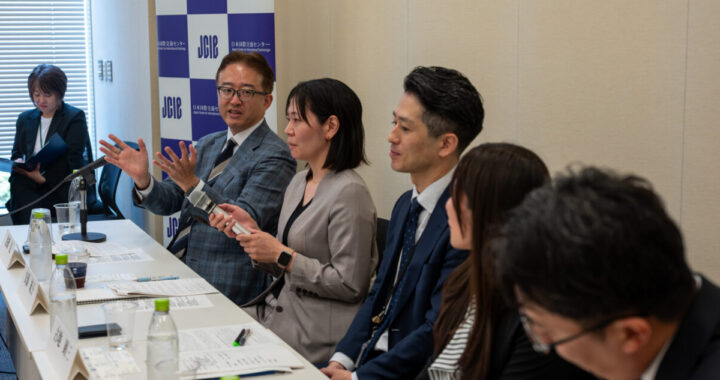
The 2026 Japanese delegation of young political leaders reunited one month after they returned from the United States for a debriefing session. Participants were invited to reflect on their experiences in Washington DC, Maryland, and Kansas and to share insights gained during the 10-day program.
2026 Japanese Young Political Leaders Delegation to US
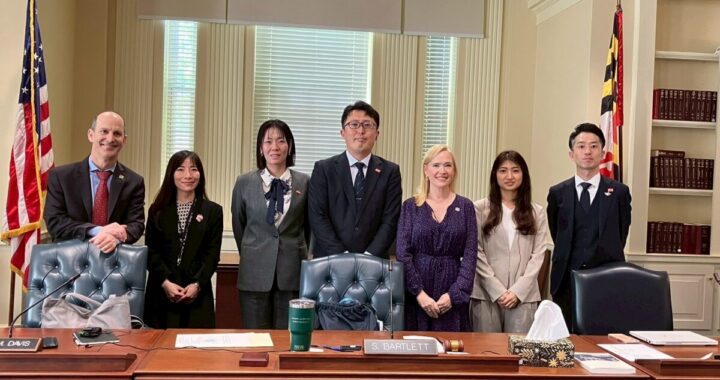
The 2026 US-Japan Young Political Leaders Exchange Program brought the 31st Japanese delegation to the US, providing an opportunity for them to meet and engage in discussions with government officials, political campaign committees, policy experts, and business representatives.