
COVID-19 Solidarity Response Fund | The Significance of Private Donations in the Global COVID-19 Response
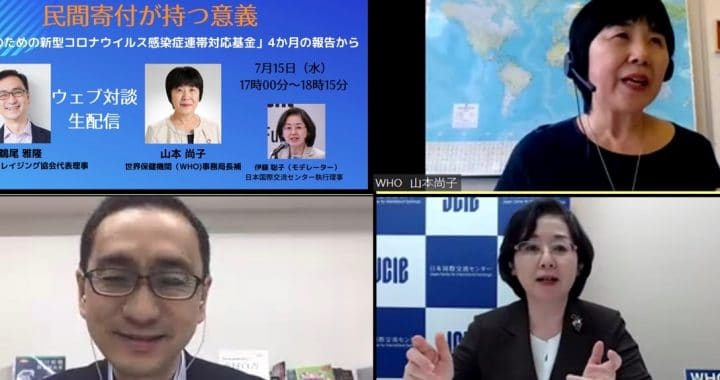
JCIE held a virtual meeting to deepen the understanding of COVID-19’s global impact and the important role the WHO plays in the global response. The discussion featured Naoko Yamamoto, assistant director-general of UHC and health systems at the World Health Organization (WHO), and Masataka Uo, CEO of the Japan Fundraising Association, with JCIE’s Satoko Itoh as a moderator.
Asia Pacific Regional Meeting on Innovative Partnerships for Health: Regional Solutions, Regional Opportunities

The Ministry of Foreign Affairs of Japan (MOFA), the Japan International Cooperation Agency (JICA), and the Japan Center for International Exchange (JCIE) organized—in collaboration with the Japan Institute for Global Health and the Pacific Health Summit—a high-level meeting in Tokyo on October 24, 2011, to explore the role of innovative partnerships in improving health in Asia Pacific.
Symposium on Universal Coverage in the 21st Century: Redefining Japan’s Health System

In partnership with renowned international medical journal, the Lancet, and the Asahi Shimbun, one of Japan’s leading newspapers, JCIE organized an international symposium on September 1, 2010, to explore the issue of universal coverage in aging societies like Japan, and to discuss preliminary findings of analysis on Japan’s health system.
Roundtable on Role of the Bill & Melinda Gates Foundation in Multisectoral Partnership
Mr. Todd Summers, senior program officer for global health at the Bill & Melinda Gates Foundation, spoke at a roundtable in Tokyo organized by JCIE, entitled “Role of the Bill & Melinda Gates Foundation in Multisectoral Partnership,” on October 22, 2009.
Health, Resilience, and the Added Value of the Human Security Approach: Achieving the SDGs
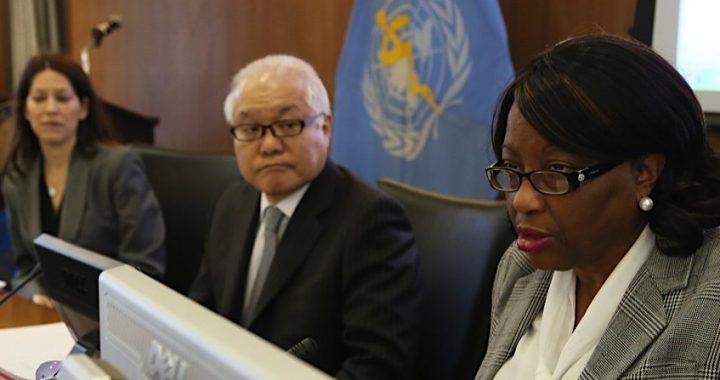
As part of the Global Health and Human Security Program, JCIE and the Pan American Health Organization/World Health Organization (PAHO/WHO) have collaborated on a project to analyze case studies of how the human security approach is being implemented on the ground and how it can contribute to broader goals of health, resilience, and development.
JCIE Organizes Side Meetings to Advance Global Health Dialogue at TICAD7
JCIE co-organized three official side events during TICAD7, building on the momentum of the week to advance policy dialogue around key global health issues such as sustainable financing of universal health coverage (UHC), the challenges of aging in Africa, and the health worker shortage that remains a major bottleneck to UHC and economic growth.
Human Security in the United Nations | Tokyo Workshop
In 2003, JCIE was commissioned by Japan’s Ministry of Foreign Affairs to conduct an assessment of several projects funded by the Trust Fund on Human Security (TFHS), focusing on how human security has been incorporated and applied in TFHS-funded projects from the conception phase through the implementation processes. As part of the project, JCIE held a workshop in Tokyo to discuss the preliminary findings and their implications.
Health Workforce Investment as a Driver of UHC and Economic Development
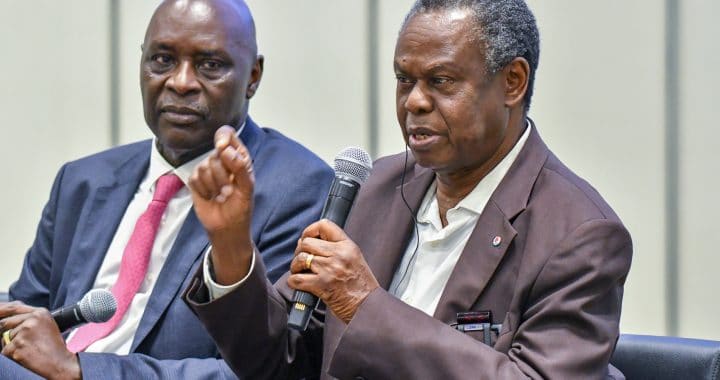
On the sidelines of TICAD7, JCIE partnered with IntraHealth International to organize this side event. Over 120 participants took part in a discussion on the wide-ranging benefits of health workforce investments not only for furthering health goals but also goals in interrelated fields such as education, gender equity, and inclusive economic growth.
Towards Population Ageing in Africa
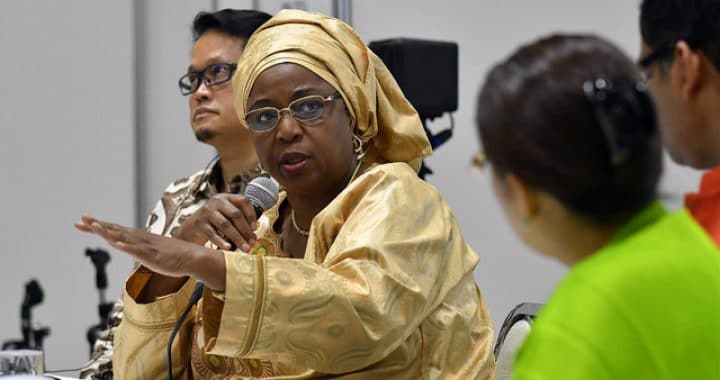
Held on the sidelines of the 7th Tokyo International Conference of African Development (TICAD7), this event brought together influential policymakers, NGO representatives, and academicians for a dialogue on the challenges of aging populations in Africa.
Satellite Seminar of the The Third TICAD Ministerial Follow–up Meeting: Health and Human Security in Africa
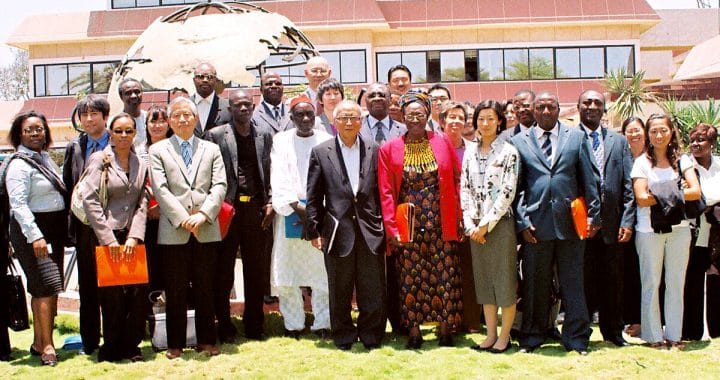
On May 2–3, 2011, JCIE organized a symposium and roundtable on “Health and Human Security in Africa” in Dakar, Senegal. The events were organized in conjunction with the Third Tokyo International Conference on African Development (TICAD) Ministerial Follow-Up Meeting.