
Healthy and Active Aging in Asia
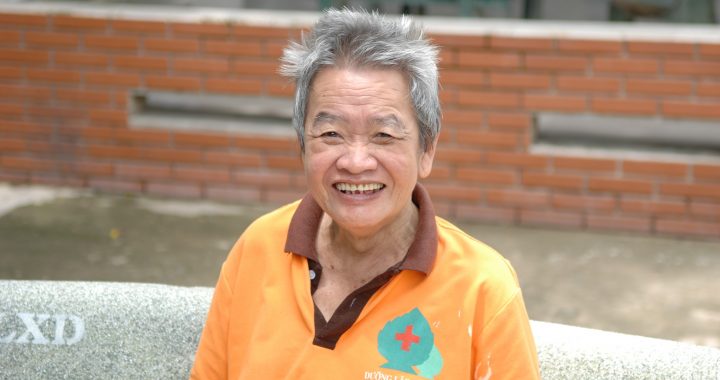
A look at the critical impact of aging on Japanese and other societies. Rapid population aging is one of the key challenges faced not only by Japan but by an increasing number of ASEAN and East Asian countries. JCIE’s new program on Healthy and Active Aging in Asia aims to contribute to the promotion of bilateral and regional cooperation on aging-related challenges in Asia.
An Intellectual Dialogue on Building Asia’s Tomorrow

In a May 1998 speech, the late Keizo Obuchi expressed his concern for the human toll that economic crisis was taking in East Asia, calling for the mobilization of intellectual resources to respond to these consequences. His initiative resulted in the creation of An Intellectual Dialogue on Building Asia’s Tomorrow, launched by JCIE in collaboration with the Institute of Southeast Asian Studies (ISEAS).
ASEAN-Japan Dialogue
In 1977, JCIE initiated the ASEAN-Japan Dialogue to address salient issues in the ASEAN-Japan bilateral relationship. The project was organized in six phases over the period of fifteen years, and the subjects under study included the roles of trade and investment in the development of ASEAN countries, ASEAN-Japan mutual perceptions, and the concept of a Pacific community.
ASEAN-Japan Strategic Partnership and Regional Community Building
This project aimed to study the role and contributions of ASEAN-Japan Partnership in promoting regional community building in Southeast Asia and East Asia, as well as in contributing to global governance. It explored the framework of Japan-ASEAN partnership in ASEAN, Japan’s role in promoting the integration of ASEAN and Japan, and ways in which Japan-ASEAN cooperation can contribute to the creation of an East Asian community.
ASEAN-Japan Cooperation in East Asia Community Building
2003 marked several important anniversaries for the ASEAN-Japan relationship and was designated as the “ASEAN-Japan Exchange Year.” In order to explore ways to strengthen the ASEAN-Japan partnership as a step toward building an East Asian regional community, JCIE held two workshops in 2003 on the theme of “ASEAN-Japan Cooperation in East Asia Community Building”.
The New Security Agenda
In 1996 JCIE commissioned 12 scholars to survey and assess current thinking, policy, and research concerning security issues including international terrorism, ethnic strife, and overpopulation in 11 key countries and regions. The resulting report represents the first global survey of its kind covering the new security challenges.
Values, Governance, and International Relations
In April 1997, as part of the Asia Pacific Agenda Project (APAP), JCIE launched a multinational research project on the topic of “Values, Governance, and International Relations”, which aimed to examine the interrelations of changing political values and domestic governance with the foreign policy behavior and international relations of countries in the Asia Pacific region.
APAP Myanmar Seminars
In 2000, JCIE started a collaborative effort with the ASEAN-ISIS and the Myanmar Institute of Strategic and International Studies to develop a policy dialogue on intra-ASEAN cooperation and developments in Asia Pacific. These aimed to engage with the more internationally oriented elements of the Myanmar government to encourage the country to move more towards the mainstream of regional politics.
Asia Pacific Agenda Project (APAP) Forums
The Asia Pacific Agenda Project (APAP) was launched as a celebration of JCIE’s 25th anniversary with three major goals in mind: to allow key personnel of independent policy-oriented research institutions to compare views, to assist in the institutional development of such research bodies, and to aid the development of a strong network among independent institutions.
Asia Pacific and the Global Order After September 11
Under the guidance of former Korean Foreign Minister Han Sung-Joo, a multilateral team of six younger scholars explored the issue of regional and global order in the wake of the 9-11 terrorist attacks in the United States.