
APAP Myanmar Seminars

In 2000, JCIE started a collaborative effort with the ASEAN-ISIS and the Myanmar Institute of Strategic and International Studies to develop a policy dialogue on intra-ASEAN cooperation and developments in Asia Pacific. These aimed to engage with the more internationally oriented elements of the Myanmar government to encourage the country to move more towards the mainstream of regional politics.
Asia Pacific Agenda Project (APAP) Forums
The Asia Pacific Agenda Project (APAP) was launched as a celebration of JCIE’s 25th anniversary with three major goals in mind: to allow key personnel of independent policy-oriented research institutions to compare views, to assist in the institutional development of such research bodies, and to aid the development of a strong network among independent institutions.
Engaging the United States in an Emerging East Asia Community
In cooperation with the United States Asia Pacific Council, JCIE launched a joint study and dialogue in 2004 that explores Asian actors’ incentives, goals, and visions of regional community; potential US reactions; and ways of guiding community-building efforts so that they meet the interests of all parties by enhancing stability and prosperity in the region.
Global ThinkNet Fellows | New Approaches to Preventive Diplomacy
Five Global ThinkNet Fellows undertook a study project on preventive diplomacy under the direction of Dr. Hideo Sato, senior advisor to the rector of United Nations University. In October 1999, these researchers began examining such topics as UN peacekeeping activities; the peace-building process in Croatia; the international commitment to solve refugee problems; reconceptualizing the concept of state-nation relationship in Asia; and a new approach to the democratization process in Belarus.
Human Security in the United Nations
In 2003, JCIE was commissioned by Japan’s Ministry of Foreign Affairs to conduct an assessment of several projects funded by the Trust Fund for Human Security (TFHS), with a focus on how the human security concept has been incorporated and applied in TFHS-funded projects from the conception phase through the design and implementation processes.
Force, Order, and Global Governance: US, German, and Japan Perspectives
In 1999, JCIE and the Brookings Institution launched a project to help guide the process of consensus-building by examining the key areas of contention in greater depth from the perspectives of the United States, Germany, and Japan.
JCIE Publications | The Asian Crisis and Human Security
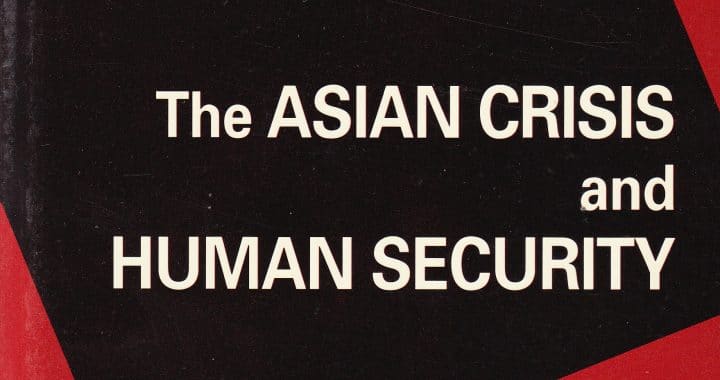
This publication provides the speeches, background papers, and synopses of presentations and discussions from a dialogue carried out in response to Japan’s then-foreign minister Obuchi Keizo’s suggestion for “an intellectual dialogue on building Asia’s tomorrow.”
JCIE Publications | Sustainable Development and Human Security
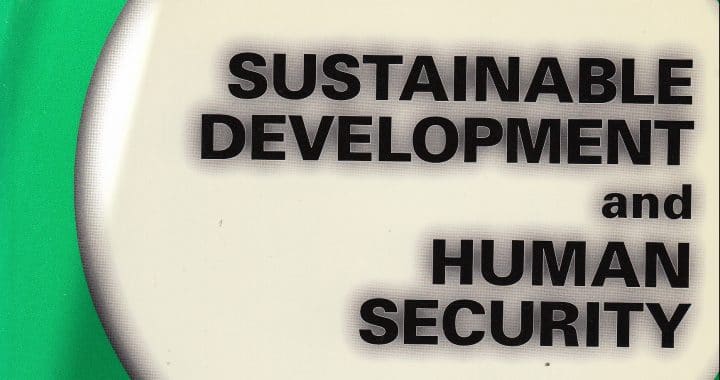
This report provides a detailed synopsis of the presentations, discussion, and principal points from a two-day conference of leading intellectuals considering the underlying human security requirements for generating sustainable development in Asia Pacific.
JCIE Publications | Domestic Adjustments to Globalization

This book compiles nine country surveys that were completed on the eve of the Asian crisis; these surveys reflect how the crisis has tested many ideas associated with globalization such as economic strategies, governance, and leadership.
JCIE Publications | ASEAN-Japan Cooperation: A Foundation for East Asian Community
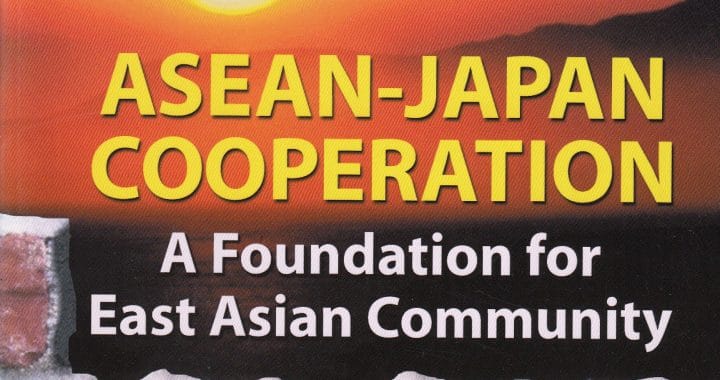
Experts from around Asia Pacific assess the importance of enhancing the ASEAN-Japan relationship as a step toward building a greater East Asian regional community, and review the history and current status of the bilateral relationship and propose ways in which it can be strengthened.